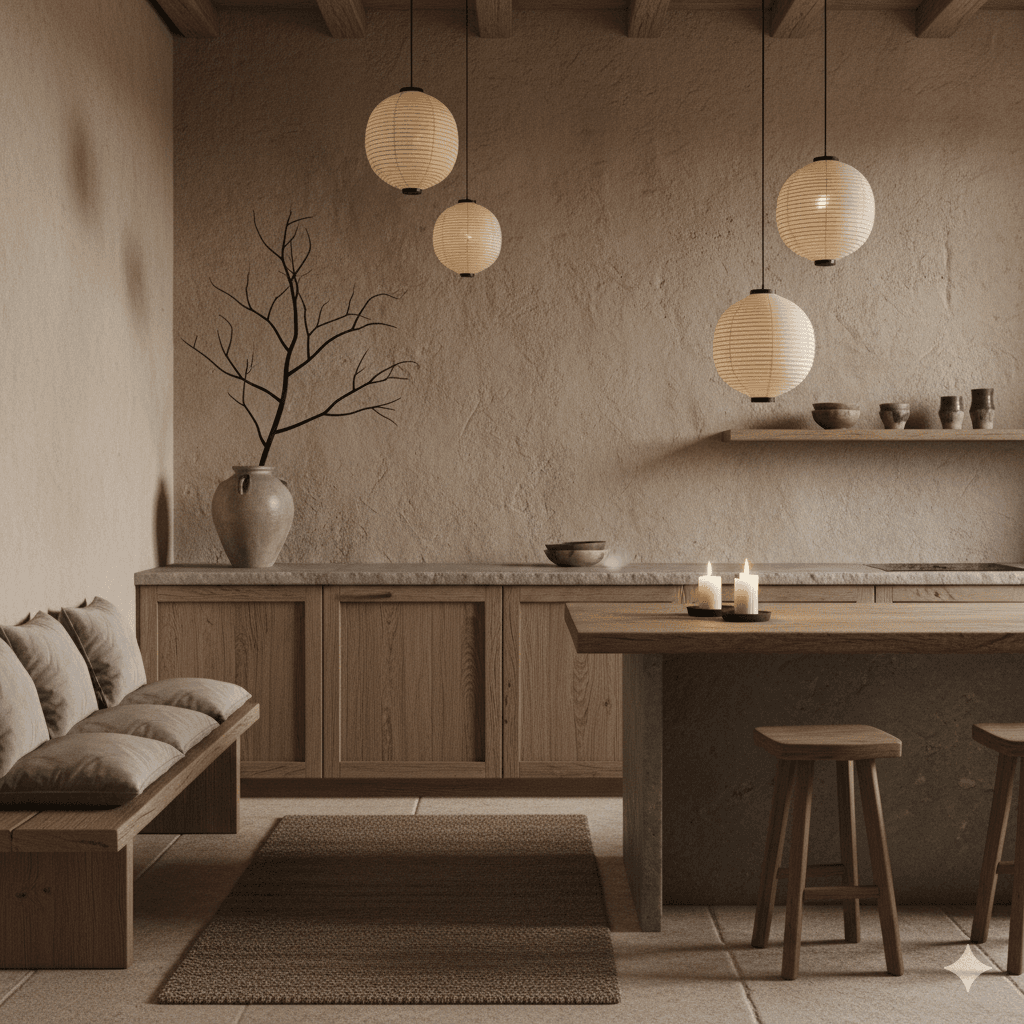
Wabi-Sabi estilo de diseño
🪨
Estilo de Diseño

Wabi-Sabi

Imperfección bella, calma y materia

Transforma tu Espacio

Crea diseños fotorrealistas con este estilo usando IA

¿Cómo funciona?

📸

1. Sube tu foto

Sube una foto de tu espacio actual

🪨

2. Elige este estilo

Selecciona el estilo Wabi-Sabi

3. Obtén tu diseño

Recibe resultados fotorrealistas en minutos

Sobre el Estilo Wabi-Sabi

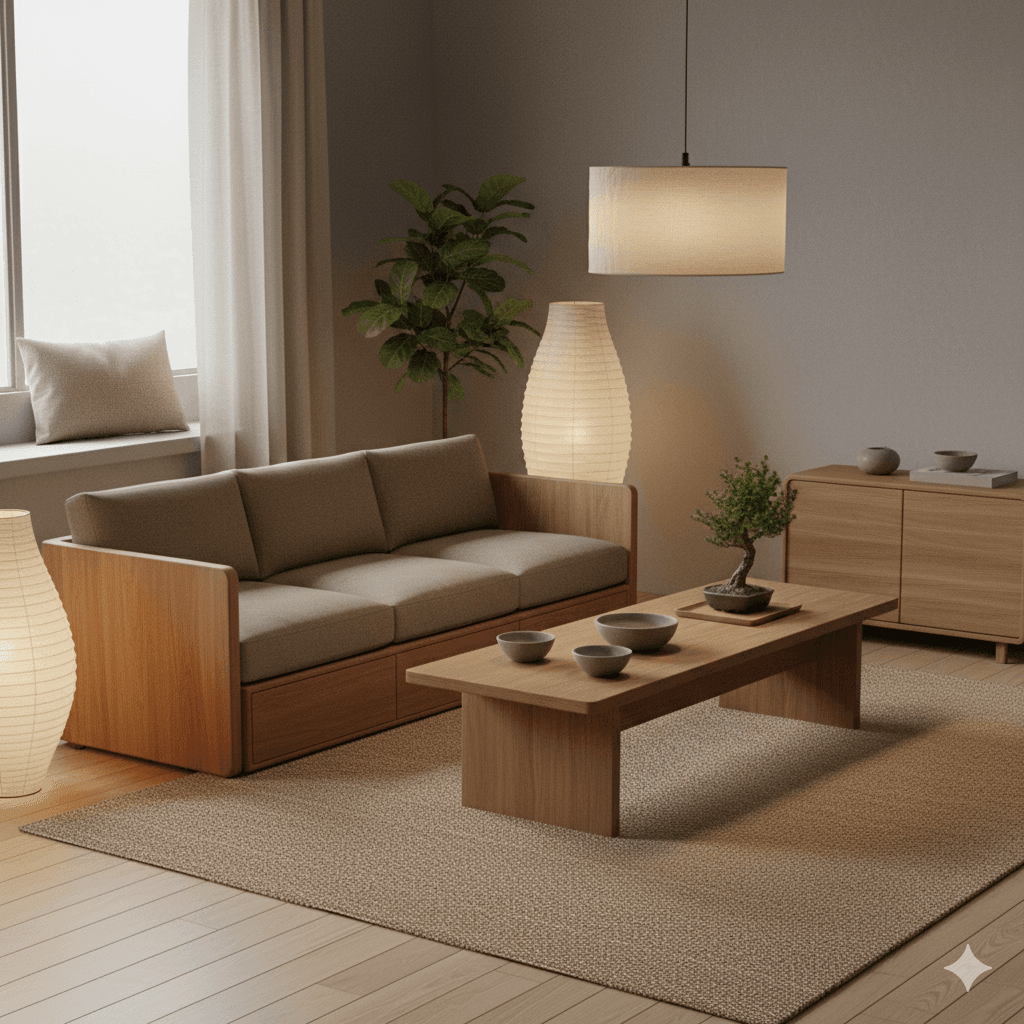
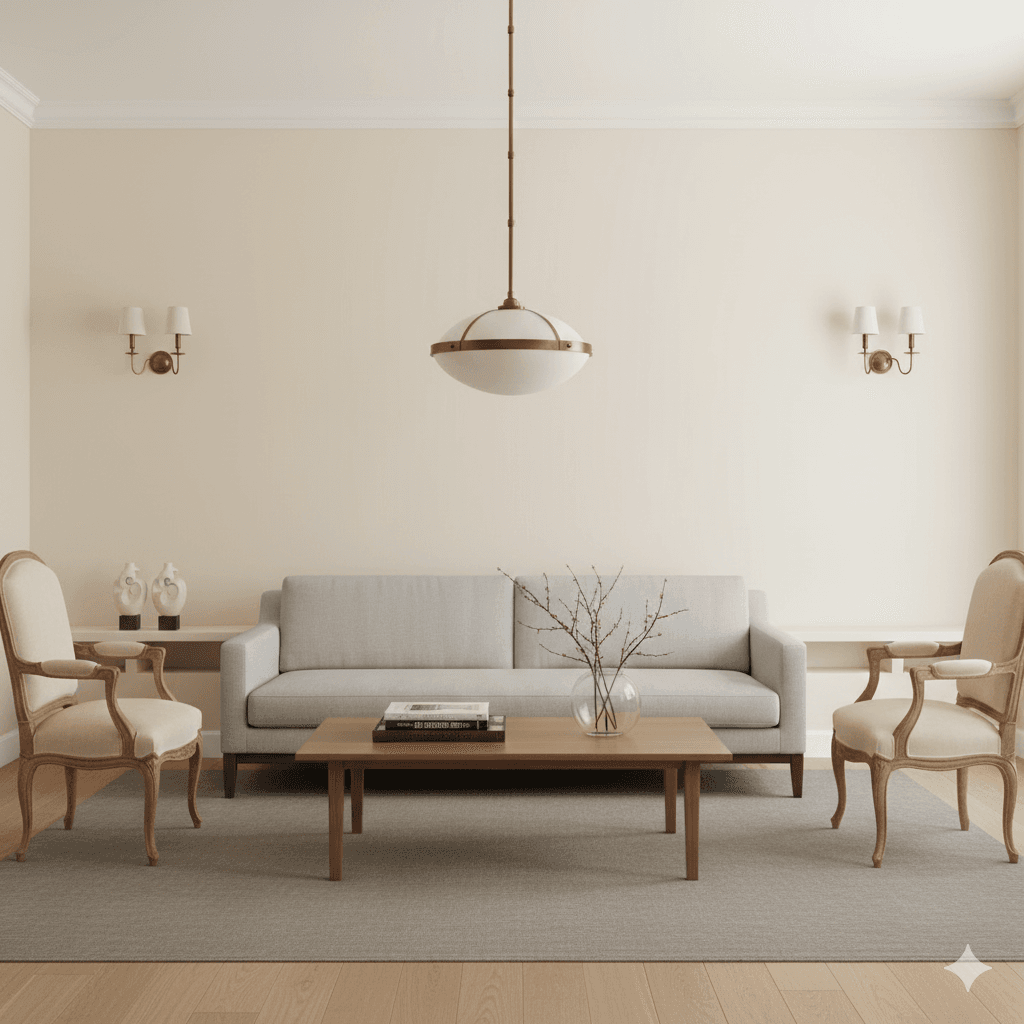
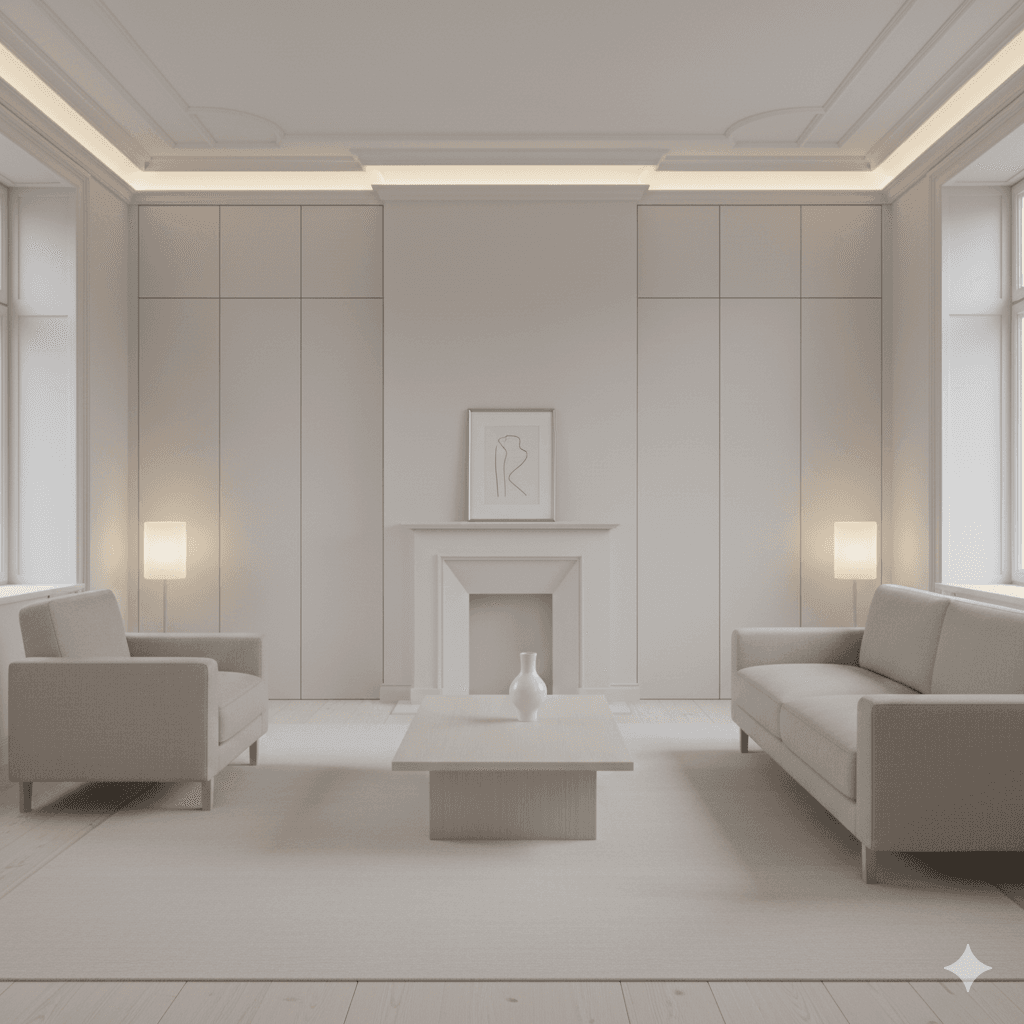
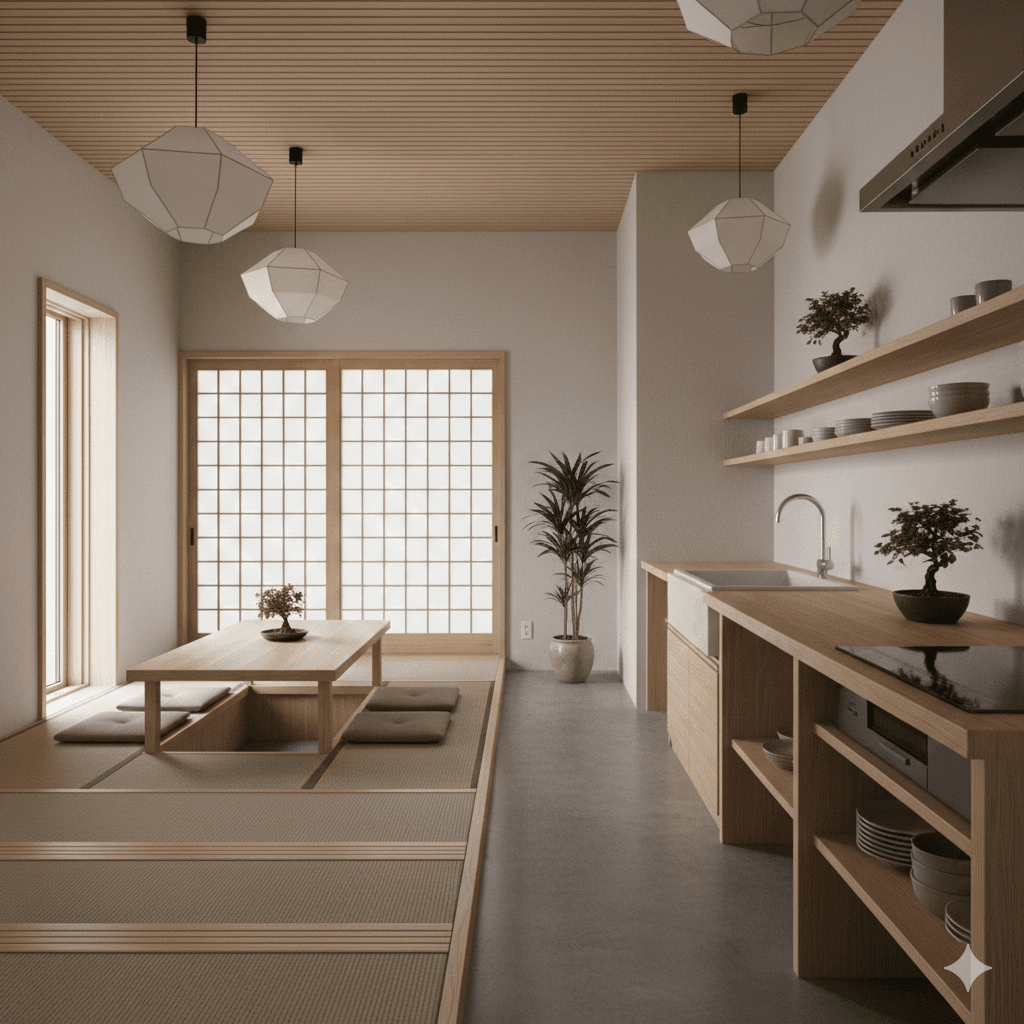
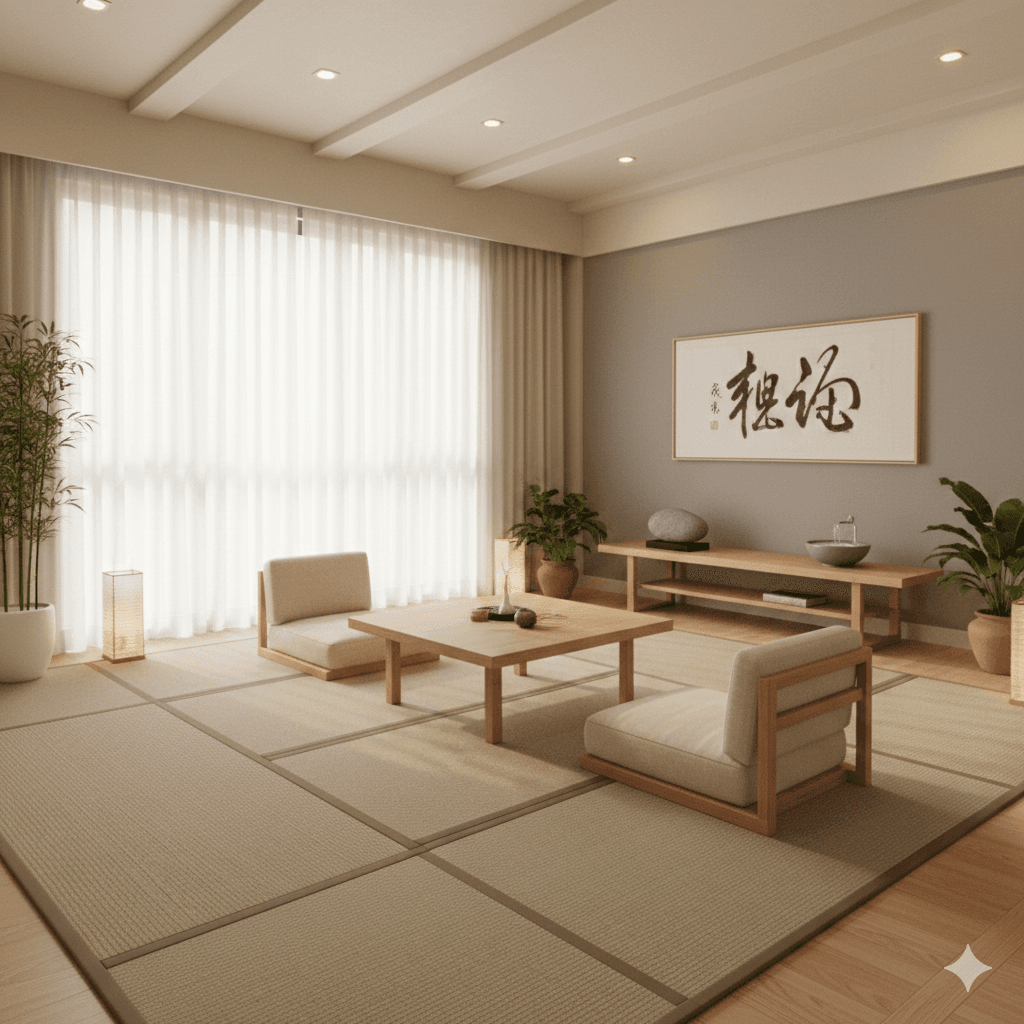
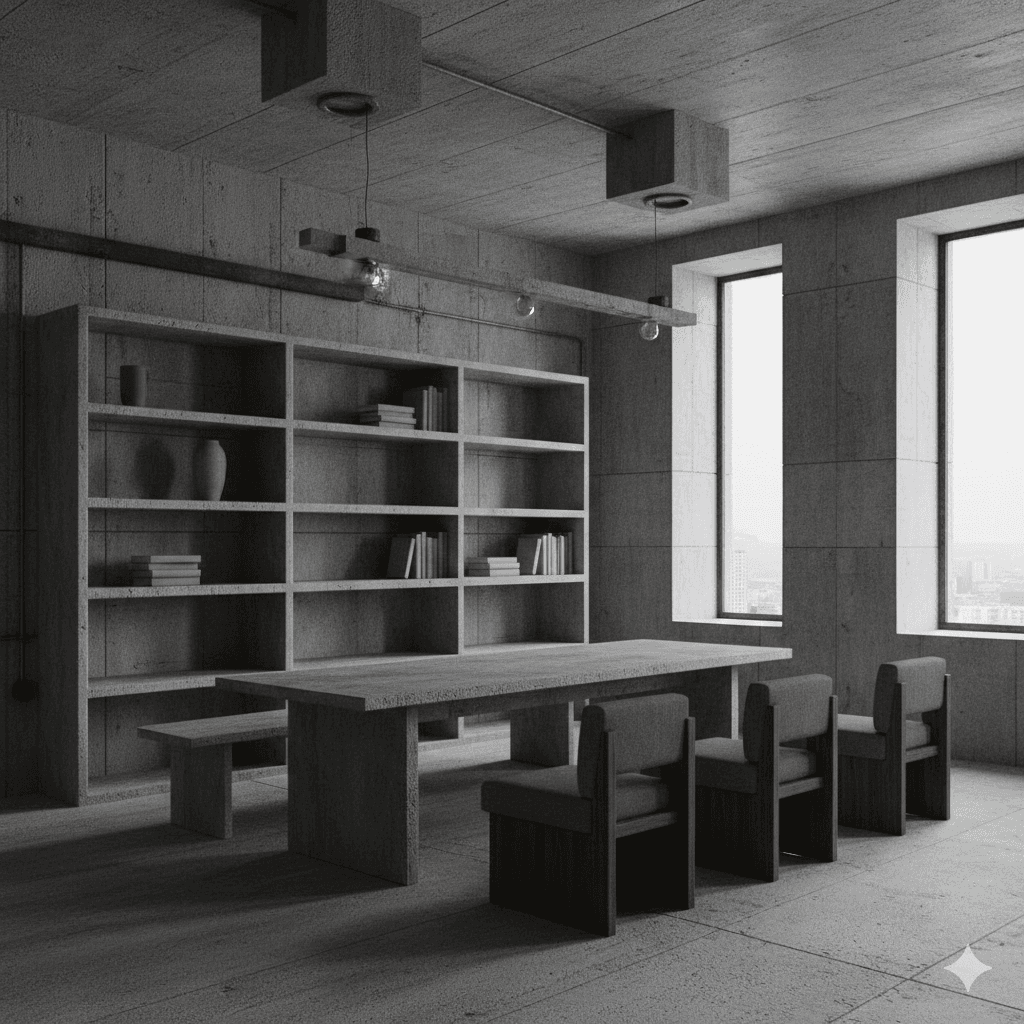
Wabi-Sabi es una filosofía japonesa aplicada al diseño interior que celebra la imperfección, el paso del tiempo y la autenticidad. En lugar de buscar perfección visual, valora materiales envejecidos, formas irregulares y texturas naturales. La paleta es terrosa y apagada: arcilla, piedra, gris suave, blanco cálido y madera natural. El mobiliario es simple, muchas veces bajo, con vetas visibles y cualidades artesanales. Los objetos se reducen al mínimo y se eligen por su significado, no por decoración. Grietas, pátina y asimetría no se ocultan: se celebran. La iluminación es suave e indirecta, generando calma. Es un estilo silencioso, introspectivo y muy humano.

Período de Popularización

Filosofía ancestral, aplicada al interiorismo moderno desde los 2000
Características Clave

imperfecciónpátina naturaltonos terrososobjetos artesanalesminimalismo sereno
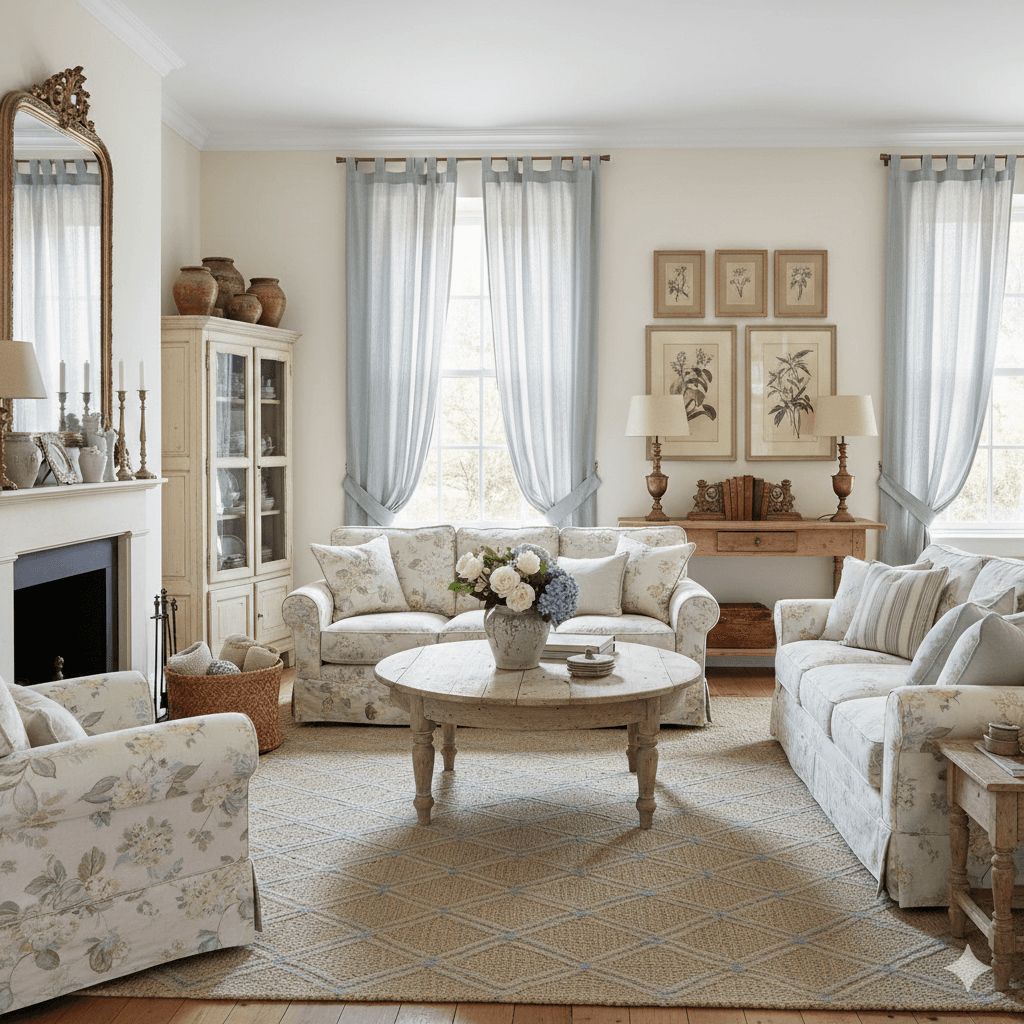
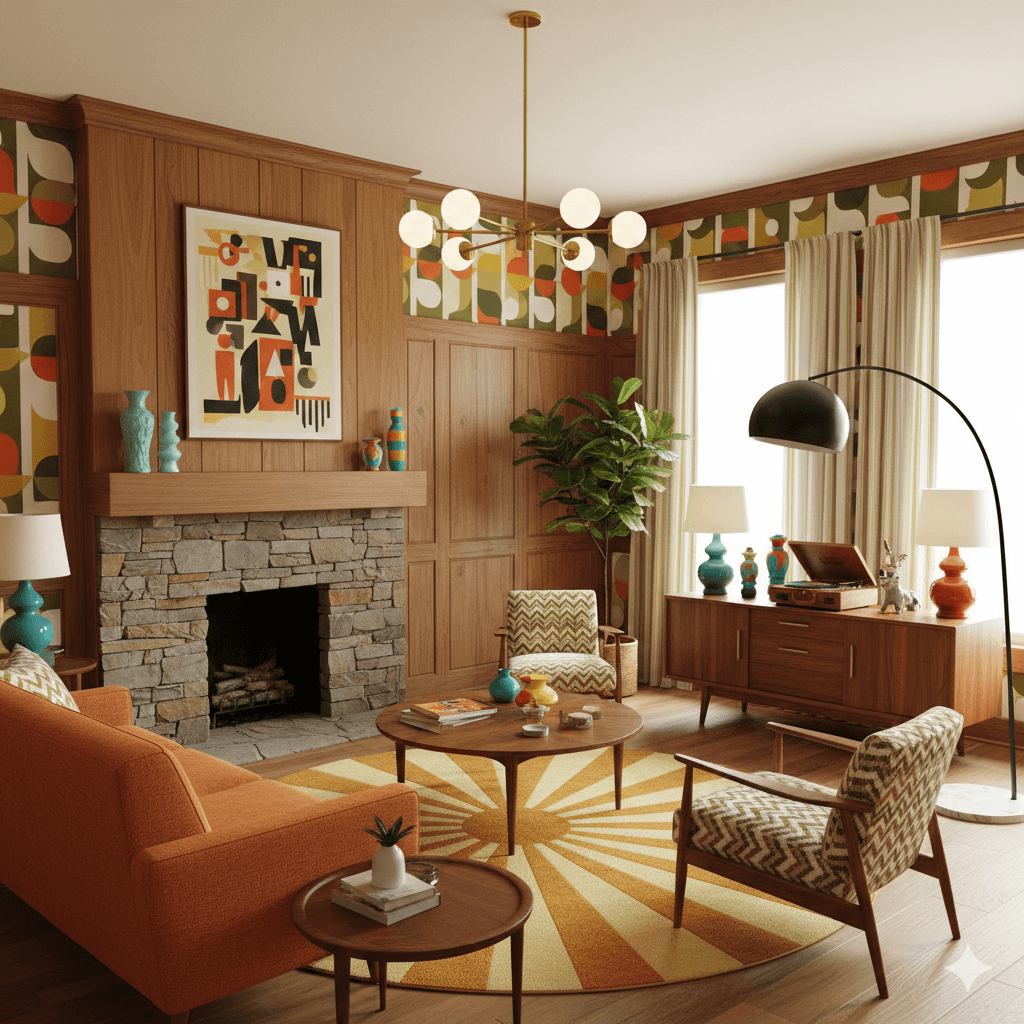
Diseños en Wabi-Sabi

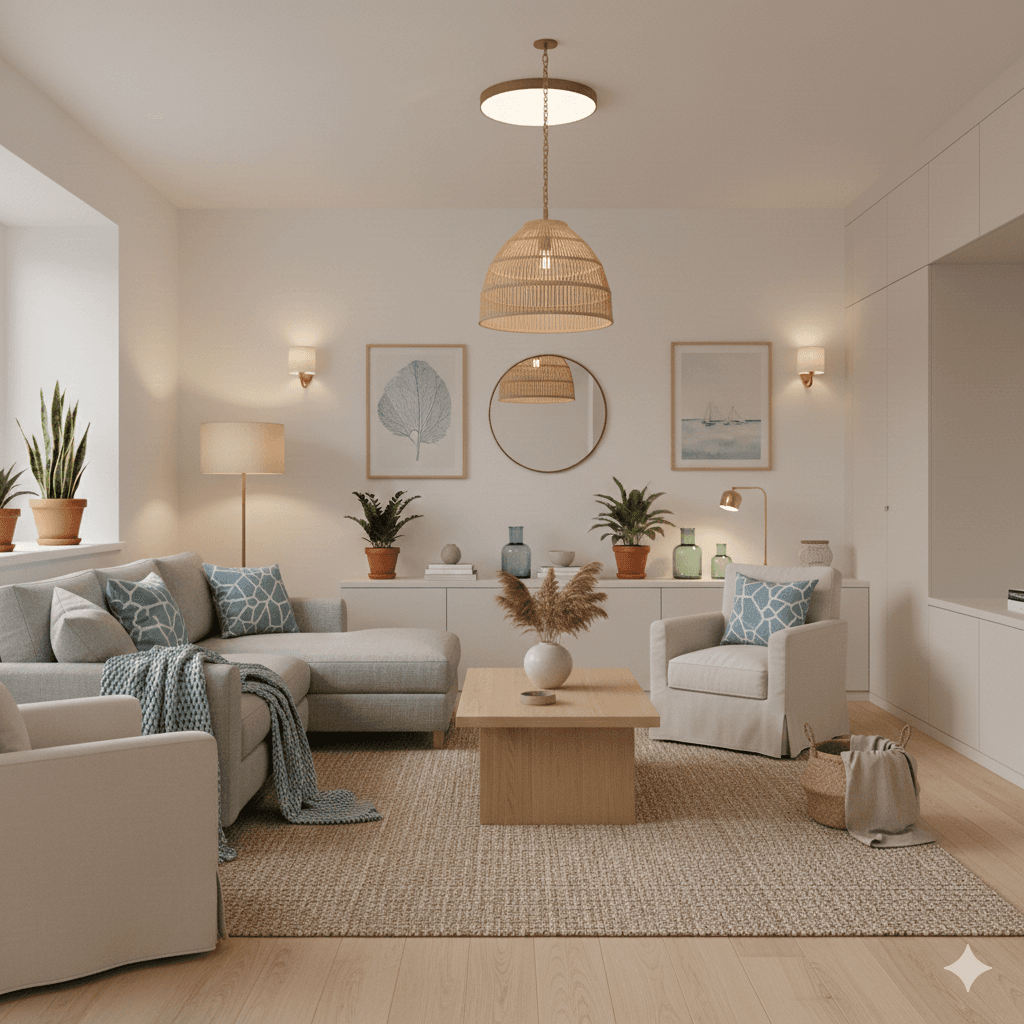
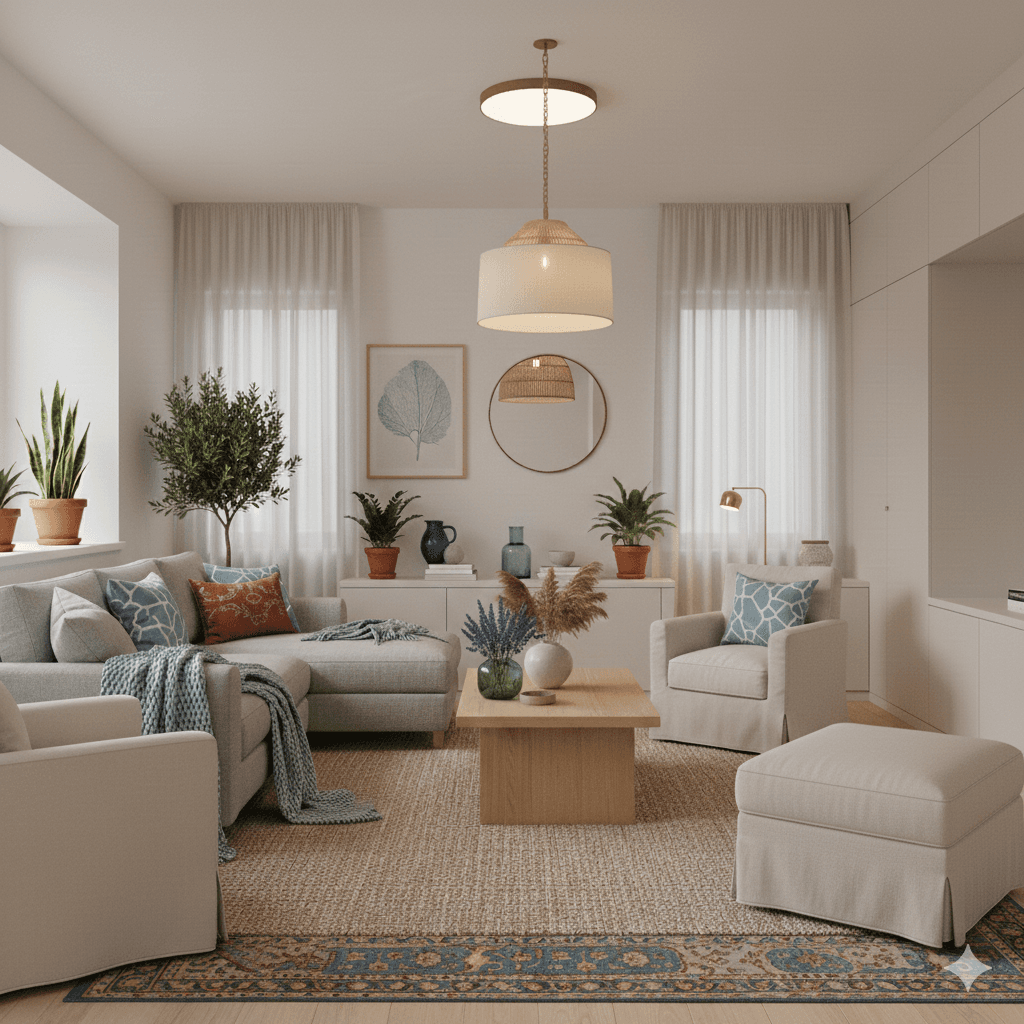
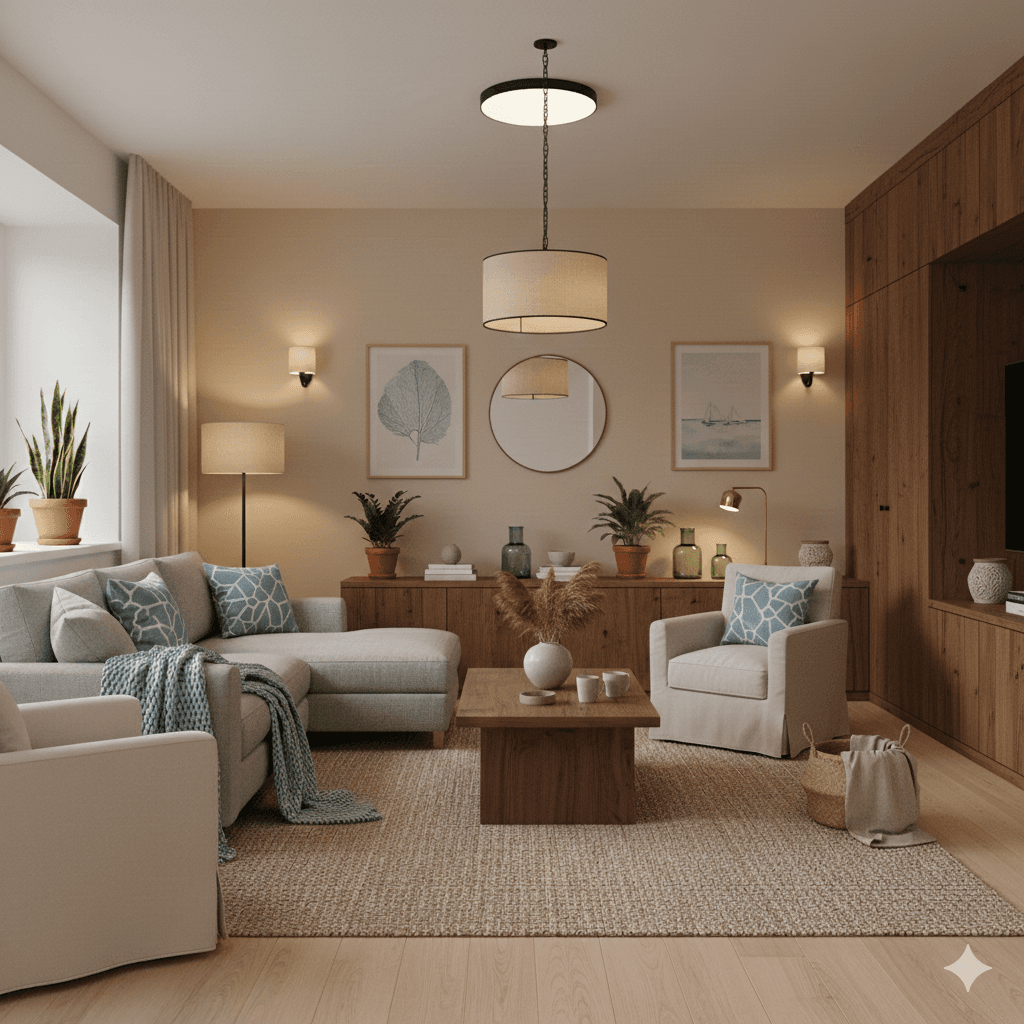
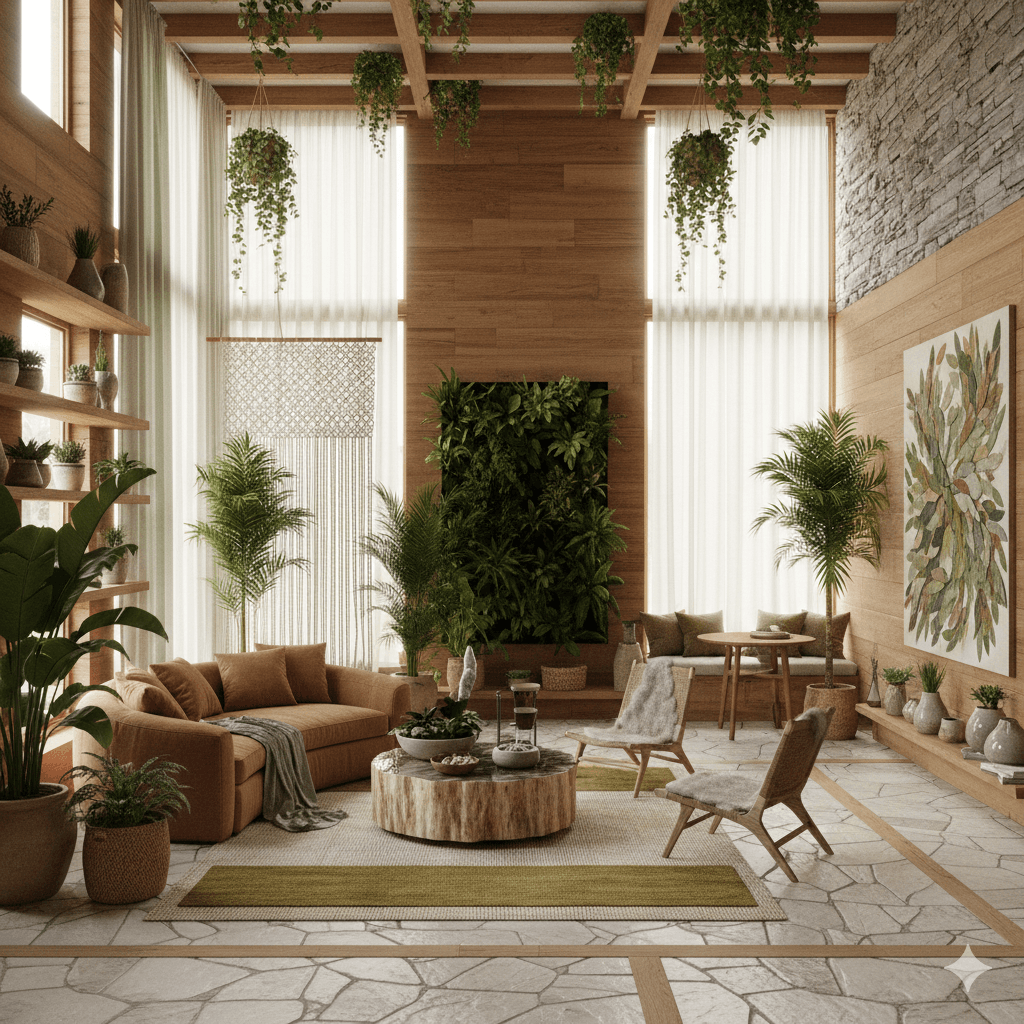
Crea un salón de spa íntimo con un estilo Wabi-Sabi, que evoca un sentido de imperfección y belleza natural. El espacio cuenta con tonos terrosos, madera desgastada y detalles, y colores suaves y apagados. Un baño de madera reutilizada y desgastada se encuentra en medio de una alfombra de lana suave, rodeado de unos pocos, cuidadosamente seleccionados faroles de piedra y un techo de cedro bajo y ondulado. Textiles de bambú tejido y jute adornan las paredes, mientras que un banco de madera tallado a mano minimalista y unos pocos plantas con musgo en macetas agregan textura orgánica. La luz suave y cálida de faroles como velas y un suave resplandor ambiental de una lámpara de suelo crean un ambiente calmado y sereno, invitando a la relajación y la tranquilidad.

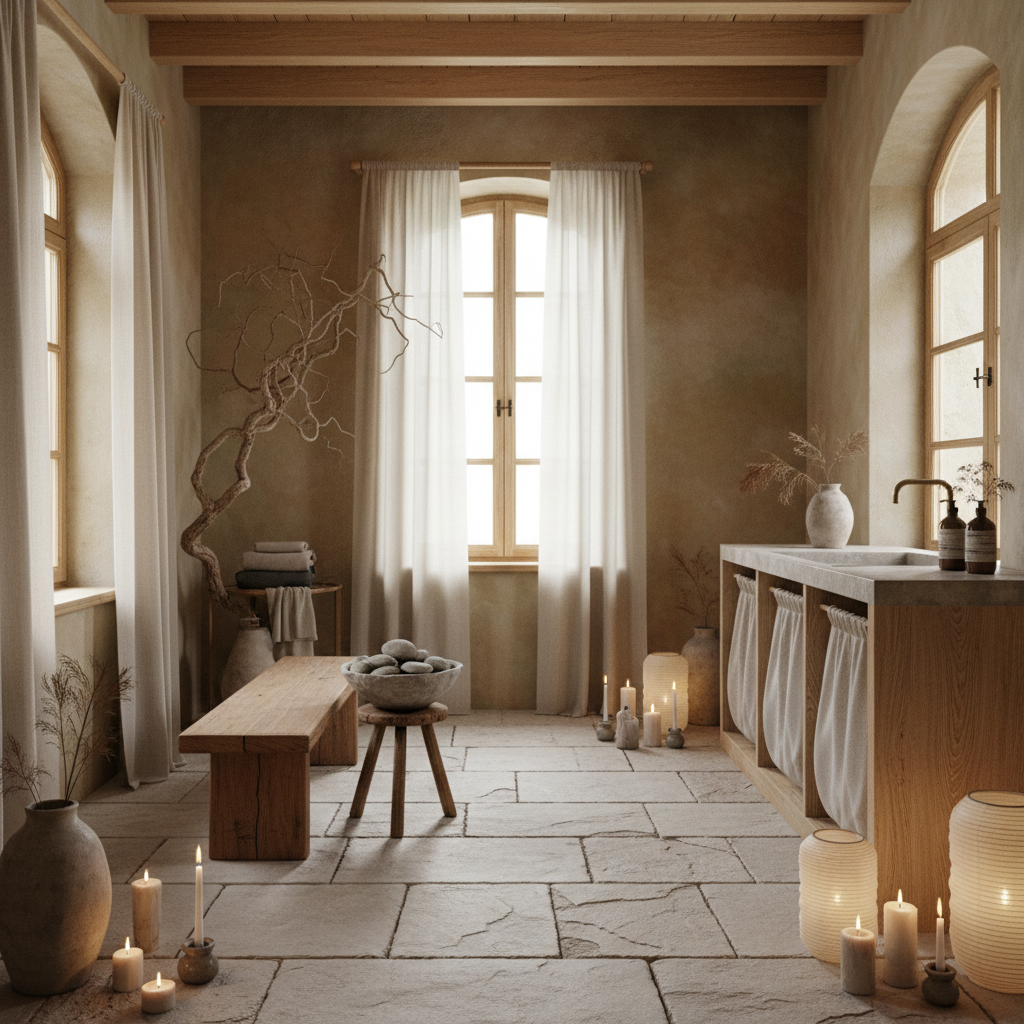
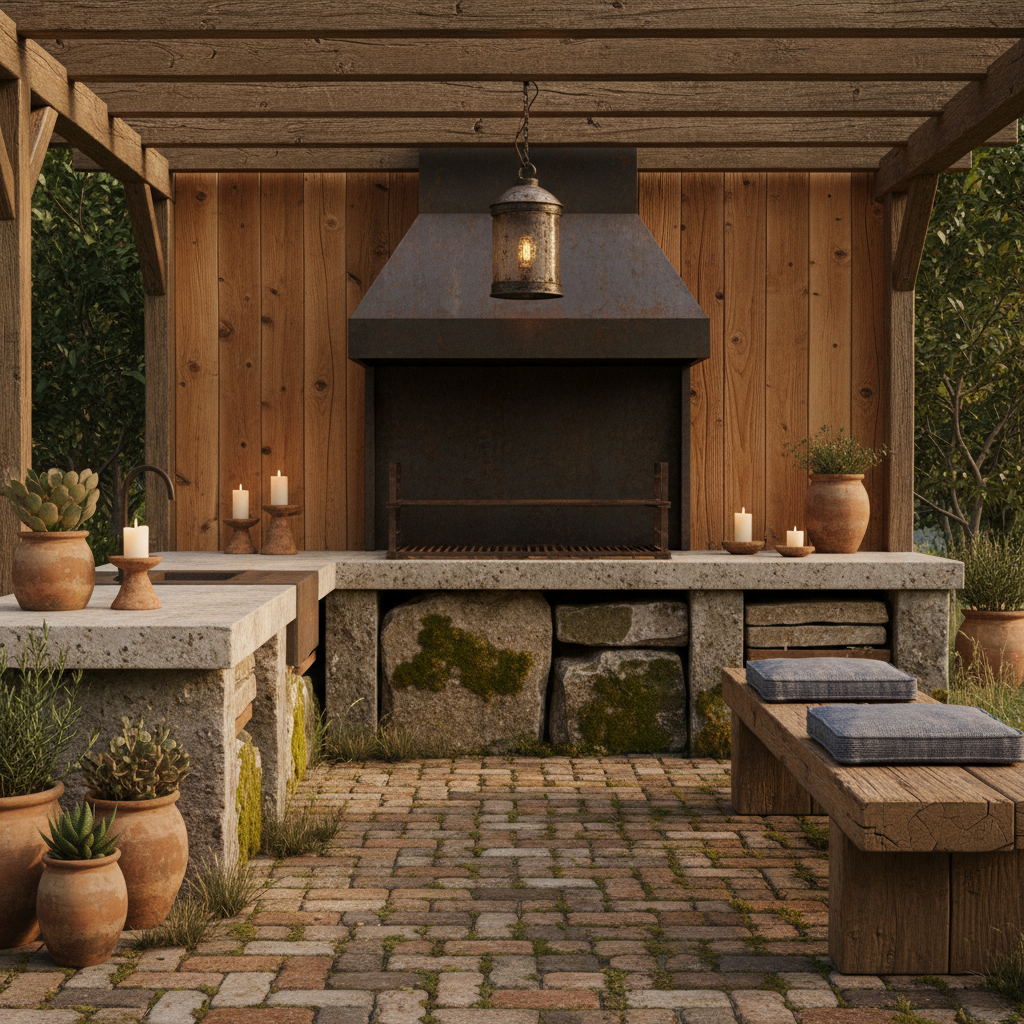
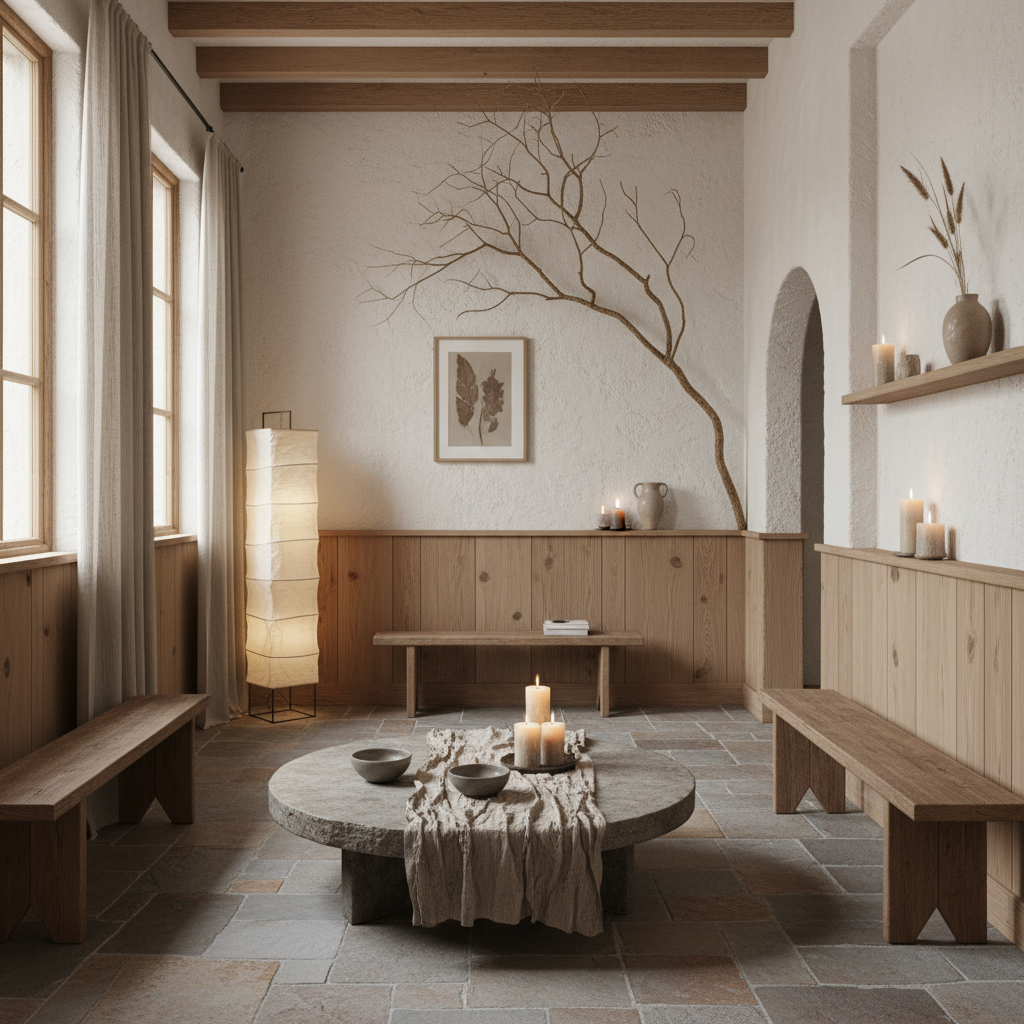
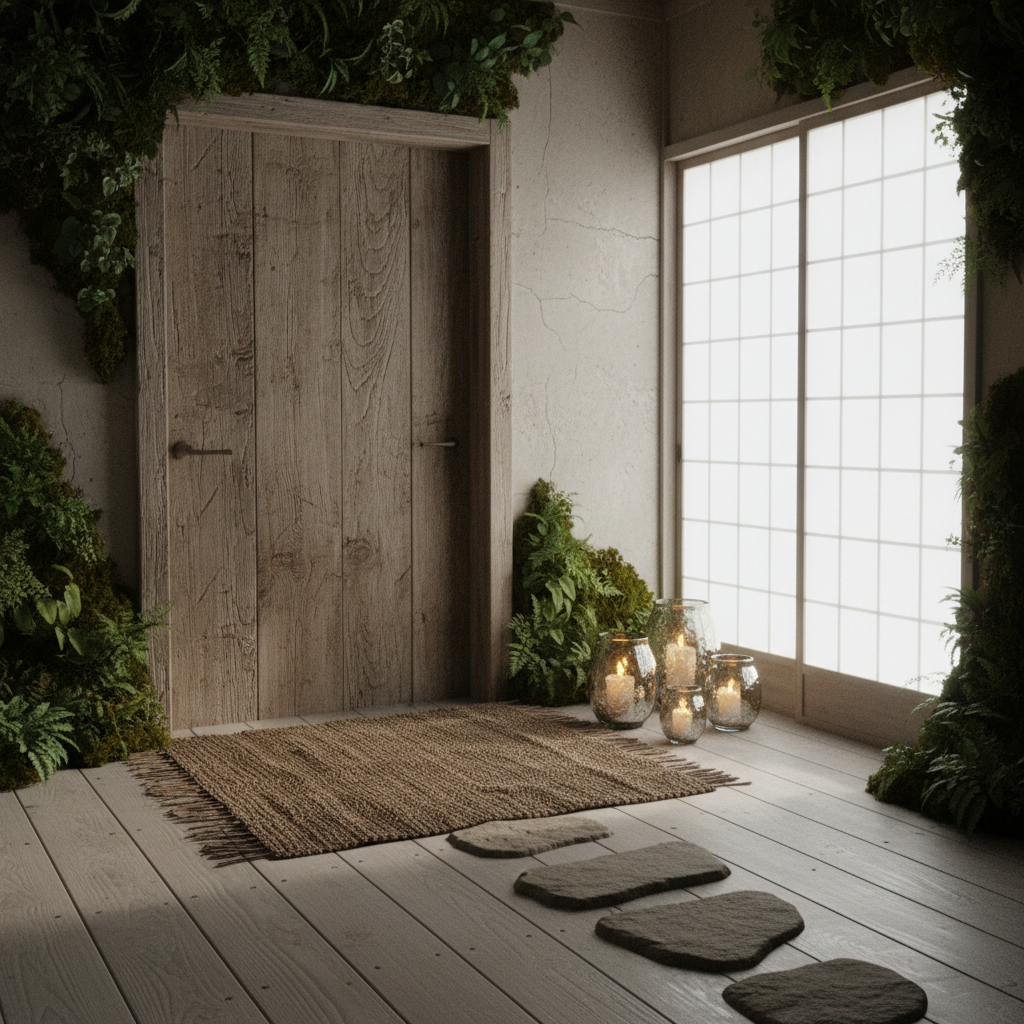
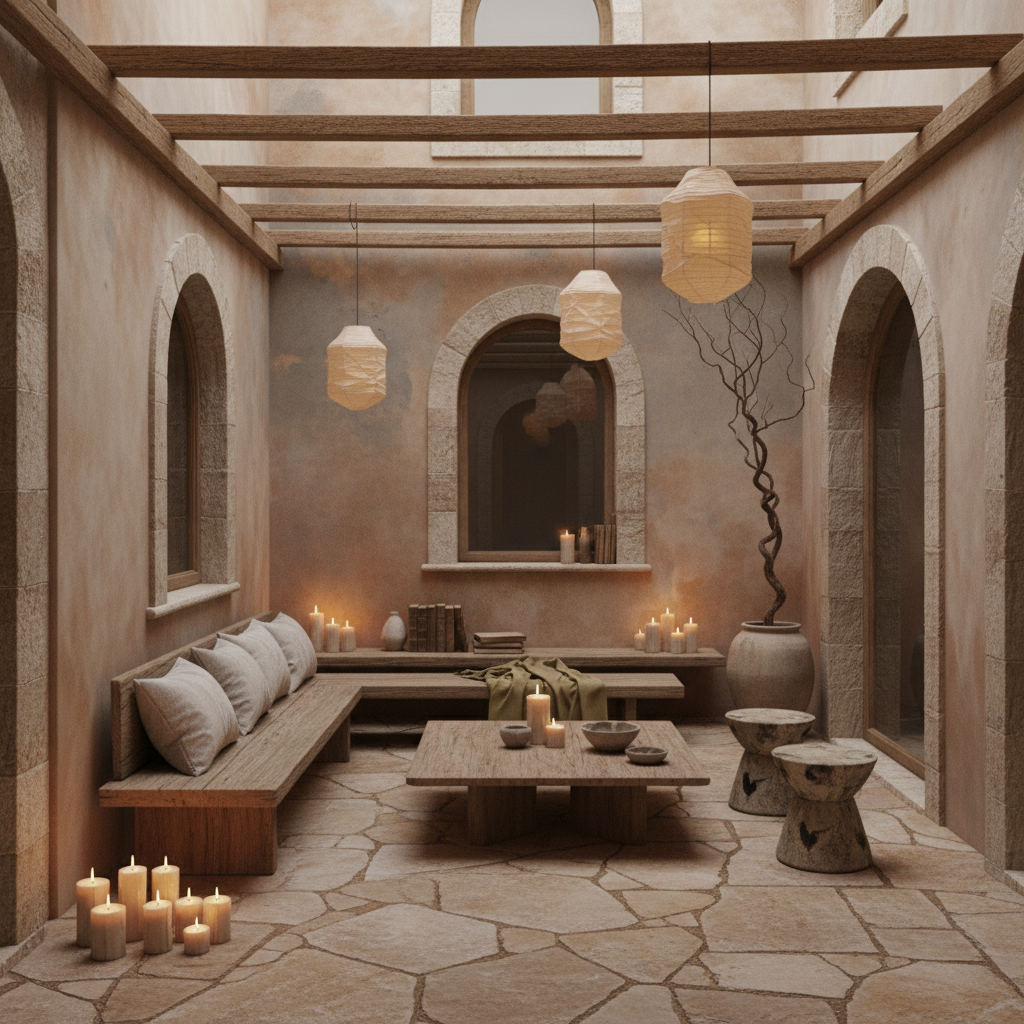
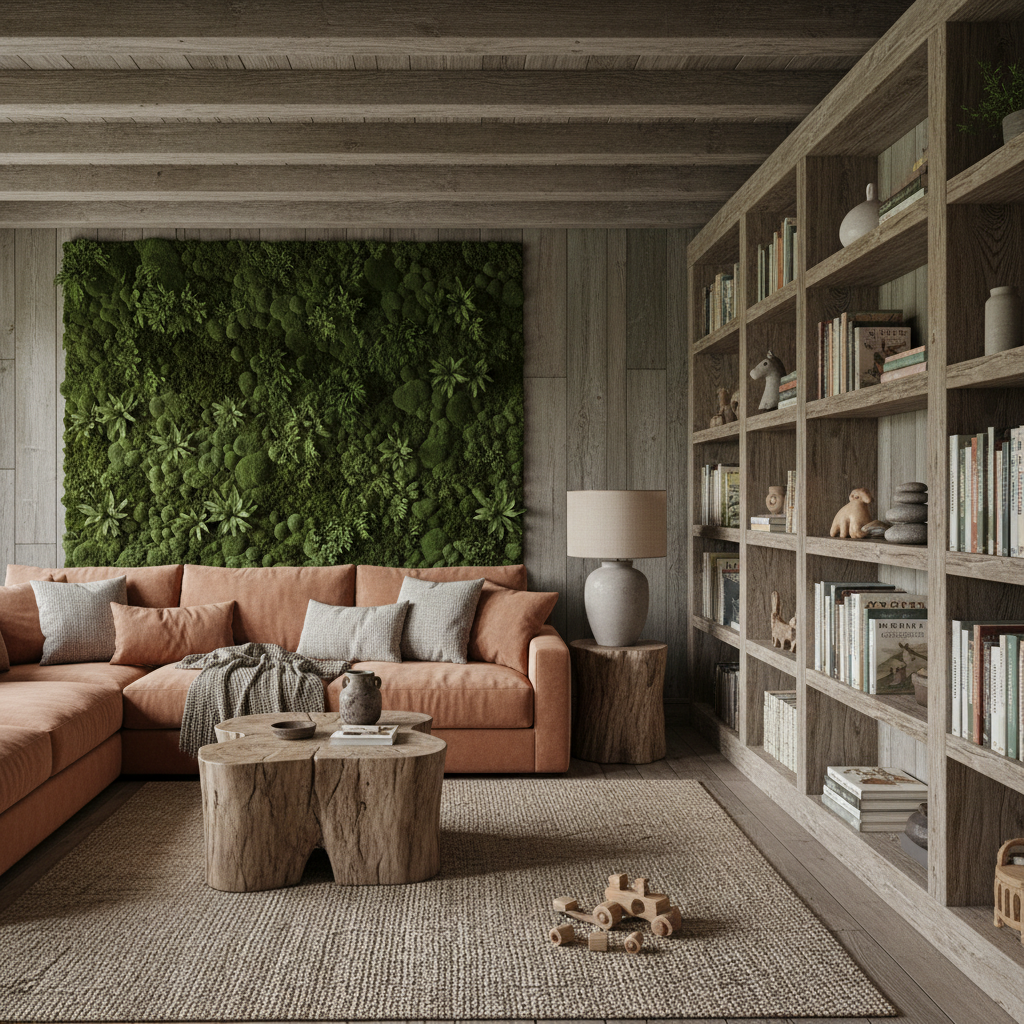
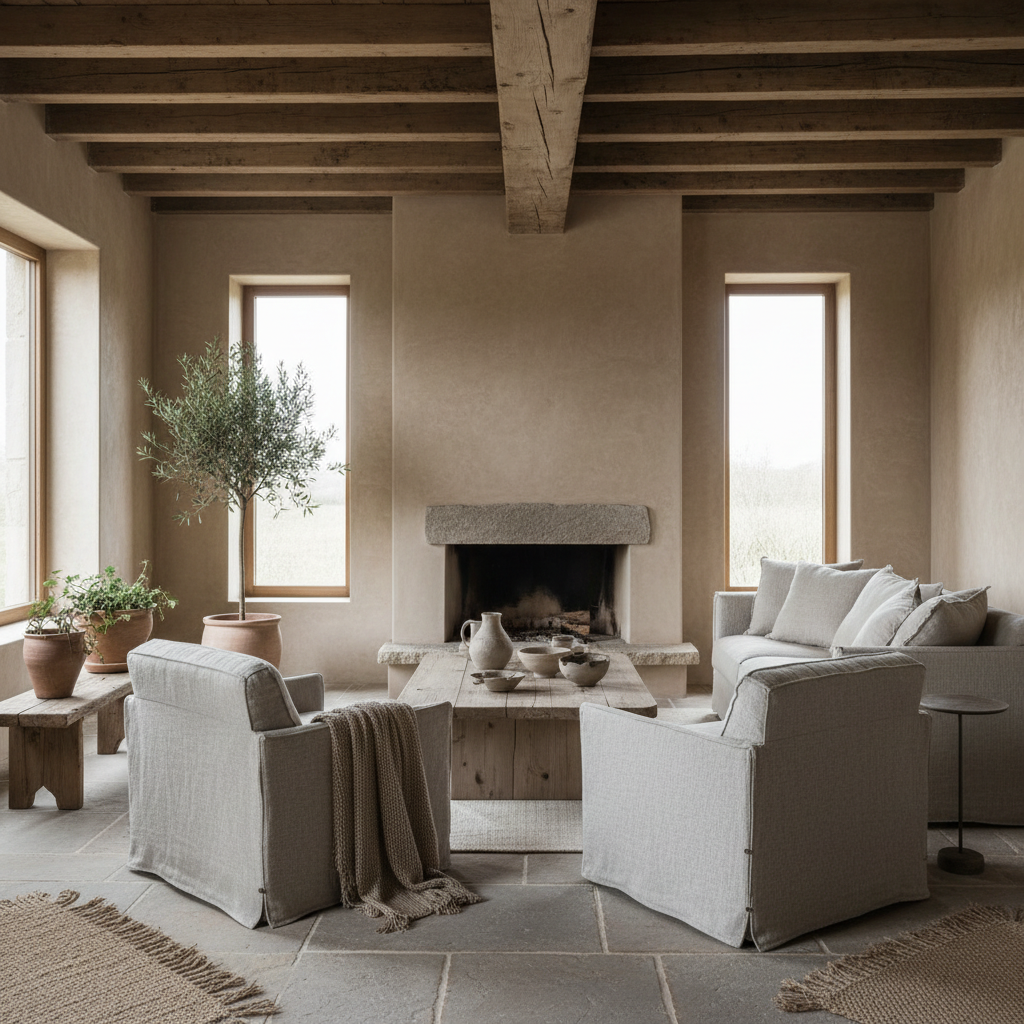
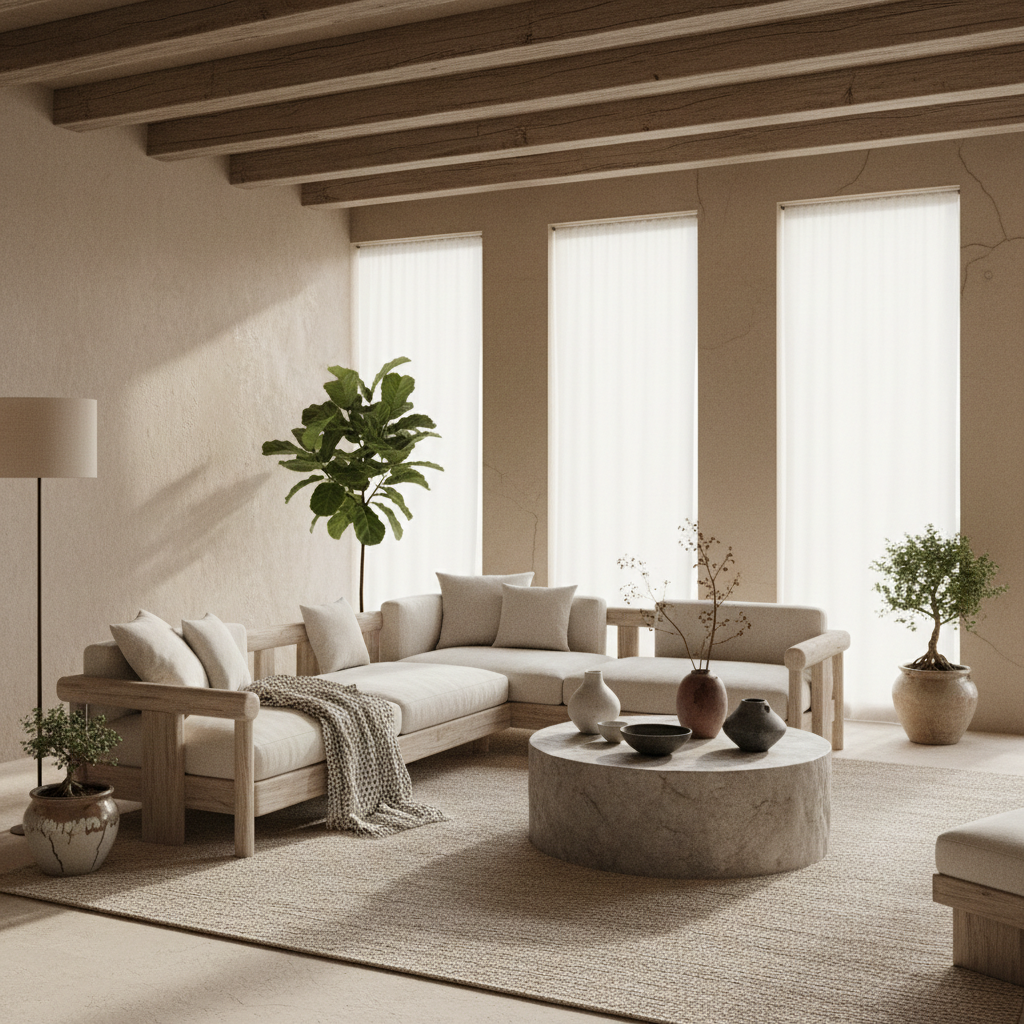
Nota: El término "Wabi-Sabi" puede ser difícil de traducir, ya que es un concepto estético japonés que se refiere a la aceptación y apreciación de la imperfección y la transitoriedad. En este contexto, se puede traducir como "estilo Wabi-Sabi" o "aesthetic Wabi-Sabi" para mantener la connotación cultural y estética original.A beautiful Laundry Room designed in Wabi-Sabi style. Transform this interior space into wabi-sabi style while preserving the original room structure, walls, windows, and architectural elements. Use earth tones, limewash finishes and bare wood. Choose crinkled textiles, irregular ceramics and stone. Select simple, low and stable furniture. Let walls breathe with only a few essential objects. Use warm indirect light with candles and paper lamps. Include benches, stools and a single sculptural dry branch for a peaceful, authentic mood. The space features carefully selected furniture, harmonious colors, natural lighting, and thoughtfully placed decorative elements that create a welcoming and aesthetically pleasing atmosphere.Design a Wabi-Sabi inspired Grill Area with weathered wood accents, moss-covered stone, and a rustic metal range. Incorporate natural materials such as reclaimed cedar planks, distressed wood beams, and a reclaimed brick patio. Earthy tones of sienna, umber, and moss green dominate the space, complemented by soft golden lighting and candles. A wooden bench adorned with woven rattan cushions in a faded indigo hue adds warmth and texture, while a distressed metal lantern hangs above the grill, casting a warm glow on the space. The atmosphere is cozy and organic, evoking a sense of connection to nature and imperfection.A beautiful Medical Office designed in Wabi-Sabi style. Transform this interior space into wabi-sabi style while preserving the original room structure, walls, windows, and architectural elements. Use earth tones, limewash finishes and bare wood. Choose crinkled textiles, irregular ceramics and stone. Select simple, low and stable furniture. Let walls breathe with only a few essential objects. Use warm indirect light with candles and paper lamps. Include benches, stools and a single sculptural dry branch for a peaceful, authentic mood. The space features carefully selected furniture, harmonious colors, natural lighting, and thoughtfully placed decorative elements that create a welcoming and aesthetically pleasing atmosphere.Design a serene Wabi-Sabi entrance with natural materials, soft lighting, and imperfections. The space features a reclaimed wood door with a distressed finish, wrapped in a woven jute rug in a muted brown hue. Shoji screens in a soft white finish filter the natural light, while a few strategically placed candles in mercury glass holders cast warm, golden tones on the walls. The floor is made of polished cypress wood, weathered to a soft silver-gray, and adorned with a few carefully placed, natural stone stepping stones. A living green wall in a subtle moss color surrounds the entrance, bringing in a touch of organic beauty. The overall atmosphere is one of gentle, understated elegance, inviting the visitor to slow down and appreciate the beauty of imperfection.A beautiful Patio designed in Wabi-Sabi style. Transform this interior space into wabi-sabi style while preserving the original room structure, walls, windows, and architectural elements. Use earth tones, limewash finishes and bare wood. Choose crinkled textiles, irregular ceramics and stone. Select simple, low and stable furniture. Let walls breathe with only a few essential objects. Use warm indirect light with candles and paper lamps. Include benches, stools and a single sculptural dry branch for a peaceful, authentic mood. The space features carefully selected furniture, harmonious colors, natural lighting, and thoughtfully placed decorative elements that create a welcoming and aesthetically pleasing atmosphere.Envision a cozy Playroom with a Wabi-Sabi aesthetic, where natural materials and imperfections create a soothing atmosphere. The space features weathered wooden beams and reclaimed wood paneling on walls, accented with soft, muted colors such as mossy green and driftwood gray. A plush, oversized sectional sofa in a warm, earthy tone is arranged around a low-slung coffee table made from a beautifully worn wooden stump. Soft, diffused lighting emanates from table lamps with natural linen shades, while a stunning, moss-covered living wall adds a touch of organic elegance. A floor-to-ceiling bookshelf is constructed from rough-hewn wooden planks, displaying a curated selection of vintage children's books and decorative accents.A serene living room in wabi sabi style, featuring natural materials like raw wood beams, handcrafted ceramics, and organic textures. Soft natural light streams through large windows, highlighting the beauty of imperfections. Minimalist furniture with worn edges, neutral earthy tones of beige, gray, and white, and carefully placed plants. The room embraces simplicity, asymmetry, and the acceptance of transience and imperfection. Cozy and tranquil atmosphere with natural textures like linen, stone, and aged wood.A serene living room in wabi sabi style, featuring natural materials like raw wood beams, handcrafted ceramics, and organic textures. Soft natural light streams through large windows, highlighting the beauty of imperfections. Minimalist furniture with worn edges, neutral earthy tones of beige, gray, and white, and carefully placed plants. The room embraces simplicity, asymmetry, and the acceptance of transience and imperfection. Cozy and tranquil atmosphere with natural textures like linen, stone, and aged wood.