Cyberpunk Interior Design: High-Tech Aesthetics for Urban Spaces
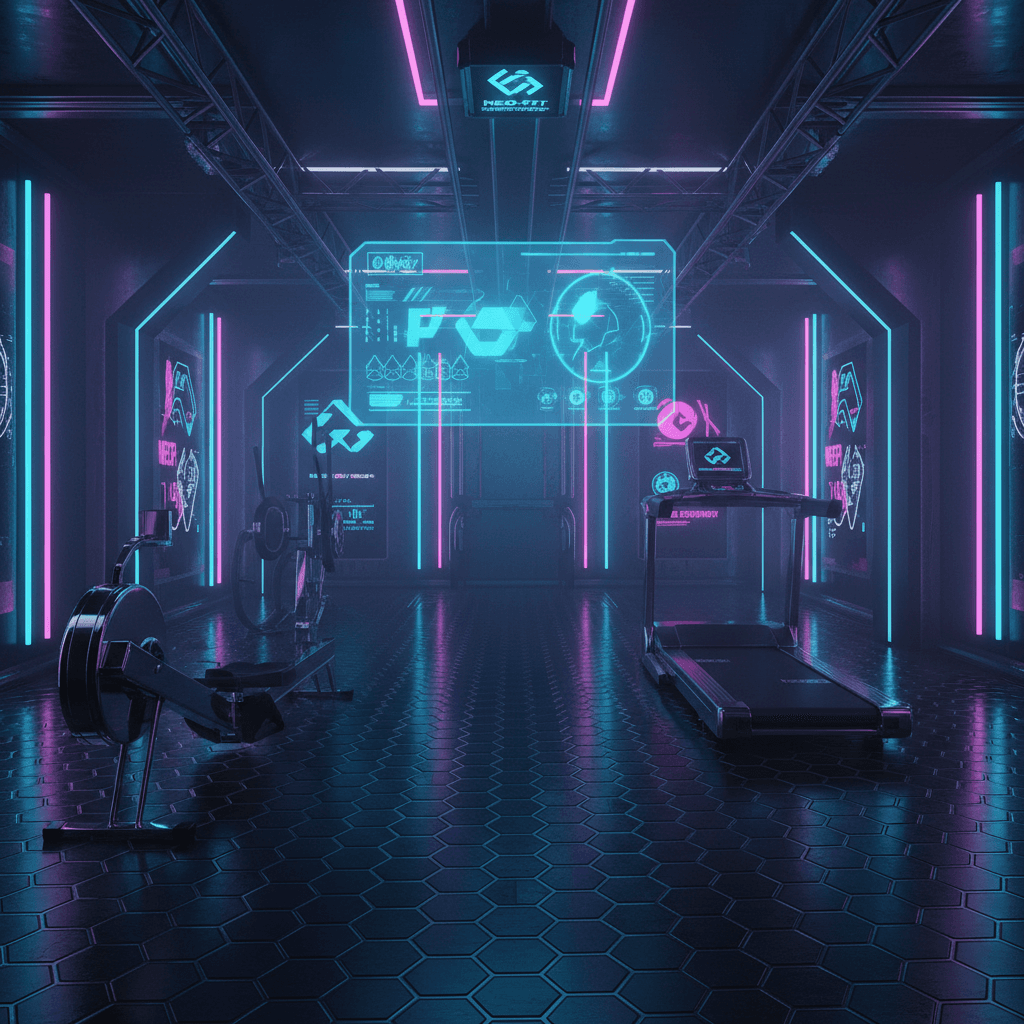
Cyberpunk Interior Design: High-Tech Aesthetics for Urban Spaces
Cyberpunk interior design captures the aesthetic of near-future urban environments where high technology meets raw, lived-in spaces. Characterized by neon lighting, industrial materials, and a contrast between technological sophistication and urban grit, this style creates atmospheres that feel both futuristic and authentic. For designers working with contemporary urban spaces, cyberpunk offers a distinctive approach that embraces technology as both tool and aesthetic element.
The Cyberpunk Visual Language
Cyberpunk design is defined by contrast: sleek technology against rough industrial materials, bright neon against dark spaces, high-tech equipment in low-life environments. This contrast creates visual tension and energy. Spaces feel alive, dynamic, and slightly chaotic—reflecting the density and intensity of urban life.
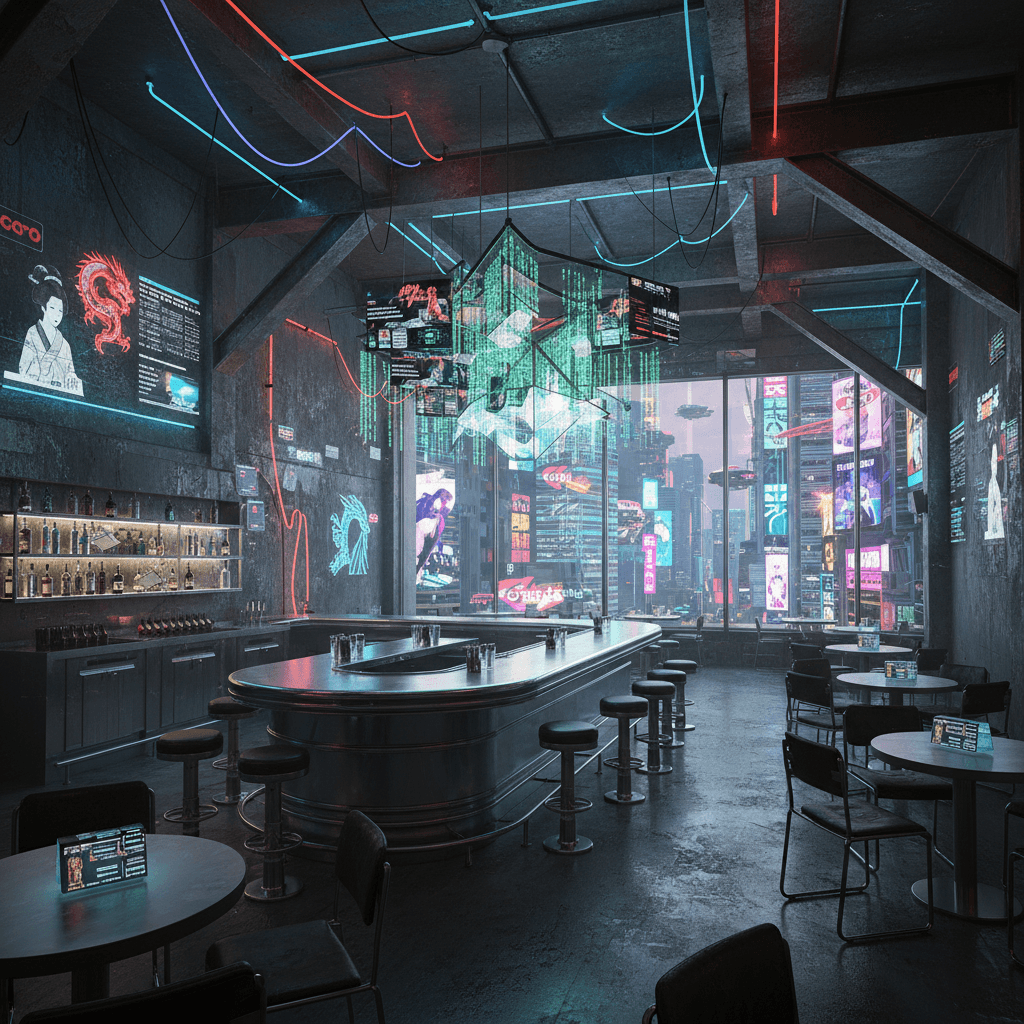
The aesthetic is inherently cinematic, drawing from visual storytelling traditions that imagine future cities. But authentic cyberpunk interiors aren't stage sets—they're functional spaces where technology and urban living intersect.
Core Elements: Neon, Darkness, and Density
Neon Lighting as Primary Element
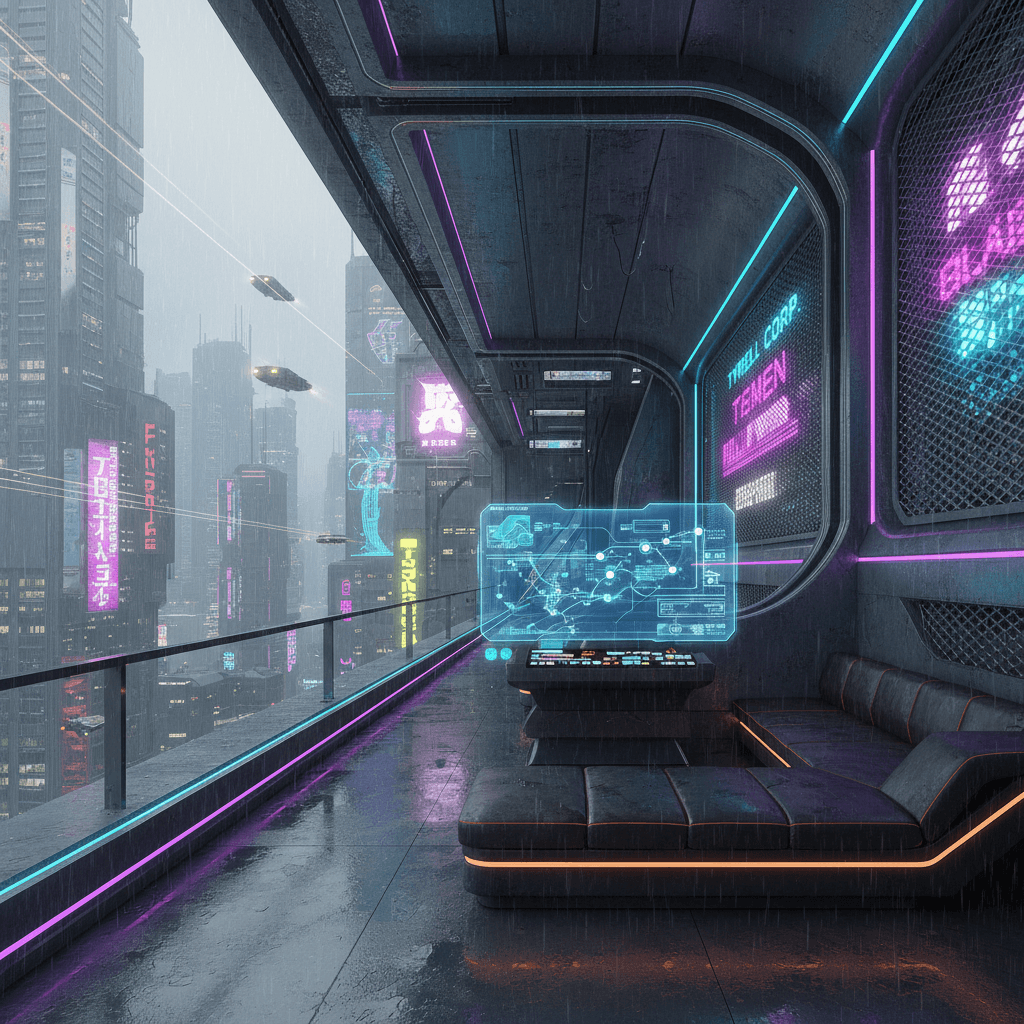
Neon lighting is the signature feature of cyberpunk interiors. RGB LED strips, neon signs, and colored accent lighting create the distinctive glow. The lighting is purposeful: task lighting for work areas, ambient colored lighting for atmosphere, and accent lighting that highlights architectural features or technology.
Neon isn't decoration—it serves function while creating mood. Blue and cyan suggest technology and information. Pink and magenta add energy and contrast. Purple creates depth. Green evokes screens and displays. These colors are layered, not used alone.
Darkness and Contrast
Cyberpunk spaces embrace darkness. Dark walls, ceilings, and floors create contrast that makes lighting more dramatic. Black, charcoal, and deep grays form the base palette. This darkness isn't depressing—it's a canvas that makes colored light more impactful.
The contrast between illuminated and unlit areas creates visual interest. Islands of light in dark spaces, pools of colored glow, and harsh task lighting create a layered lighting strategy.
Urban Density and Verticality
Cyberpunk interiors often feel dense and vertical. High ceilings are emphasized. Shelving and storage climb walls. Technology stacks and layers. This vertical organization reflects urban density—making the most of limited floor space while maintaining function.
Materials: Industrial Meets High-Tech
Exposed Infrastructure
Cyberpunk spaces often reveal infrastructure: exposed pipes, conduit, ductwork, and structural elements. This isn't about unfinished construction—it's about celebrating the systems that make modern life possible. Infrastructure becomes aesthetic when highlighted with lighting or paint.
Metal and Concrete
Raw materials dominate: exposed concrete, unfinished metal, and industrial surfaces. Steel, aluminum, and other metals are left unpolished or treated with matte finishes. Concrete walls are left exposed or treated with sealants that preserve the raw texture.
Glass and Polycarbonate
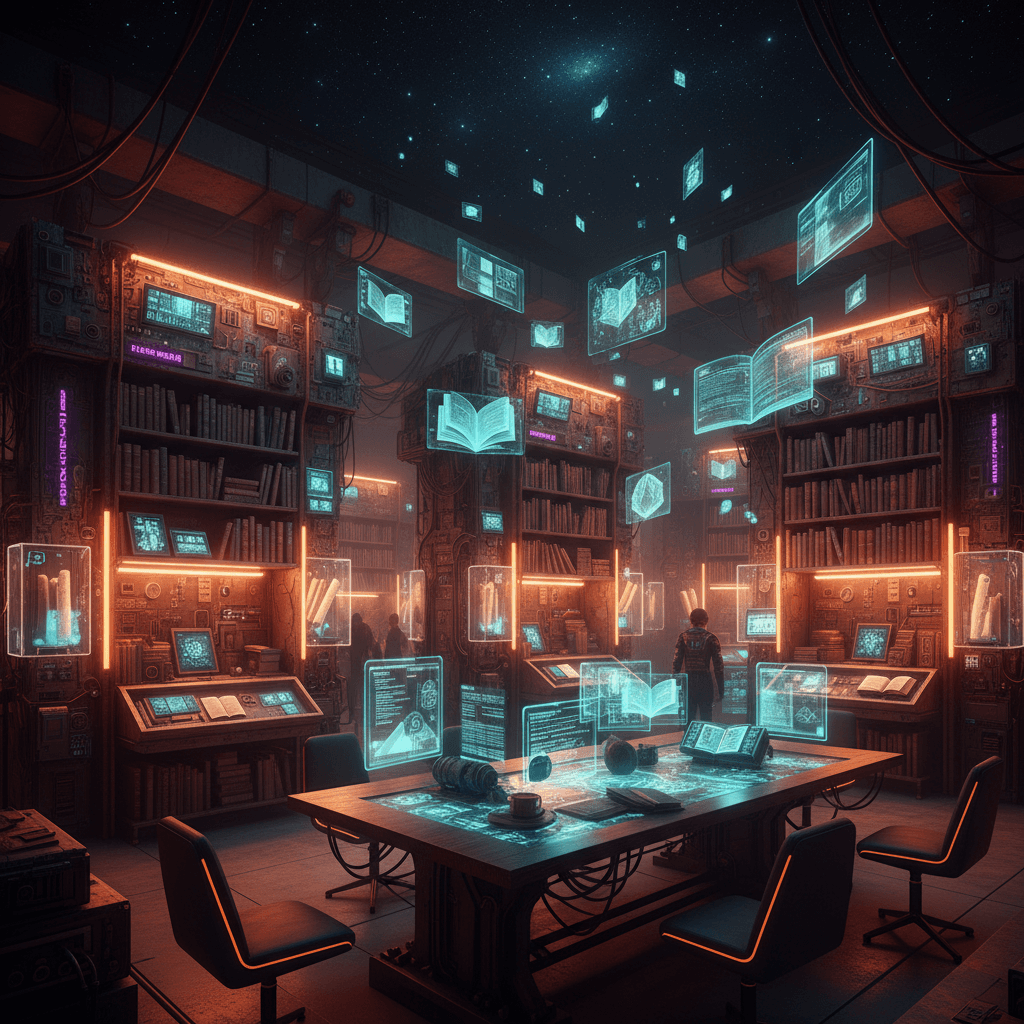
Transparent and translucent materials add technological feel. Polycarbonate panels, glass partitions, and acrylic elements create boundaries while maintaining visual connection. These materials respond to light, creating reflections and refractions that add complexity.
Synthetic and Technical Fabrics
Textiles are technical: synthetic fibers, performance fabrics, and materials that suggest function over decoration. Mesh, neoprene, and technical textiles appear in upholstery, partitions, and decorative elements. These materials feel modern and purposeful.
Color Palette: Dark Base with Neon Accents
The cyberpunk palette is dominated by dark neutrals: black, charcoal gray, deep blue-gray, and dark purples. These form the base. Against this darkness, bright neon colors create contrast: electric blue, hot pink, cyan, magenta, and green.
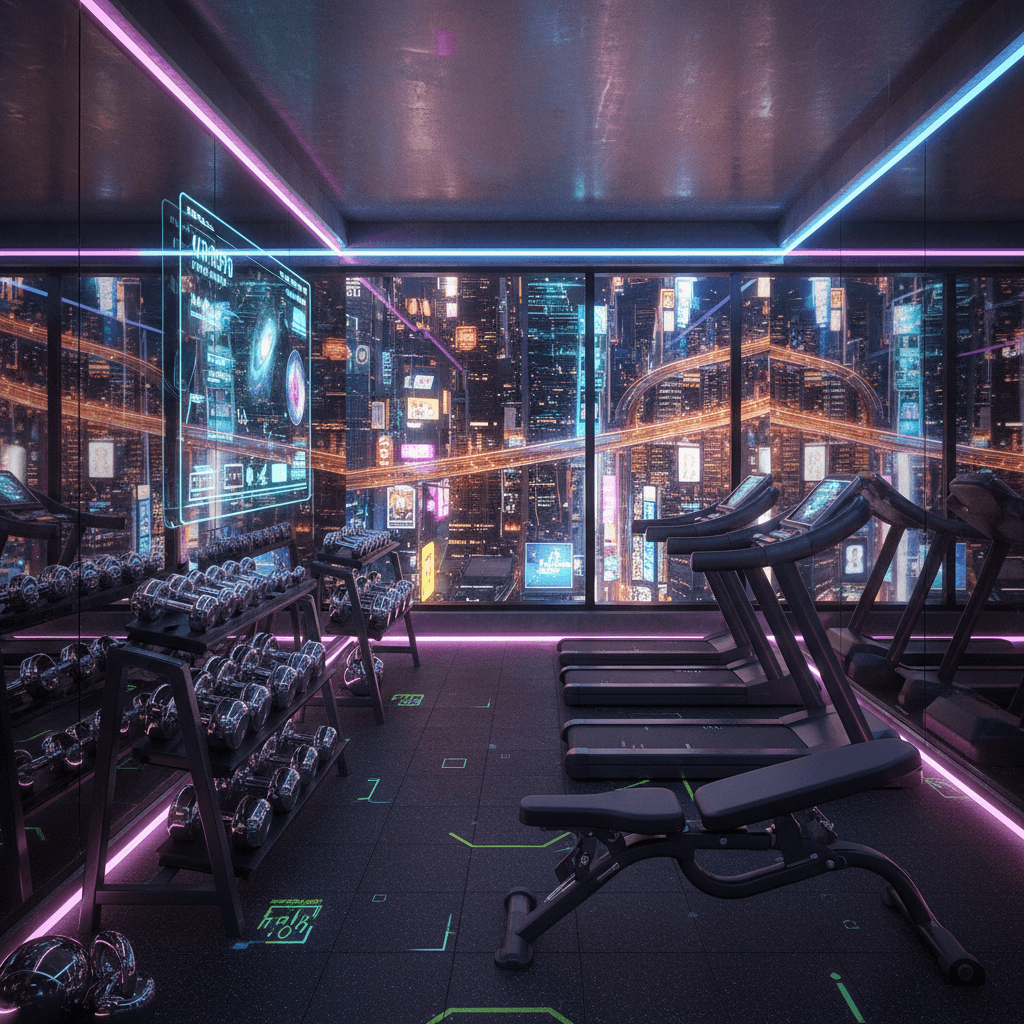
White appears sparingly, usually as pure white from screens or task lighting. Warm colors are minimal—the palette is cool and technological. The overall effect is high-contrast and energetic.
Furniture: Functional and Technical
Furniture in cyberpunk spaces prioritizes function and technological integration. Desks with cable management, chairs with technical fabrics, and storage solutions that accommodate technology are preferred. The aesthetic is ergonomic and purposeful rather than decorative.
Modular furniture systems that can be reconfigured suit the adaptable nature of cyberpunk spaces. Stackable storage, wall-mounted systems, and furniture that integrates lighting or power are characteristic.
Technology Integration
Technology isn't hidden in cyberpunk interiors—it's displayed and integrated. Multiple screens, exposed cables organized artfully, and visible tech infrastructure create the high-tech atmosphere. The technology is functional art, not hidden behind cabinetry.
Smart home systems, RGB lighting control, and visible tech stacks contribute to the aesthetic. The goal is seamless integration where technology feels natural rather than added-on.
Spatial Layout: Efficient and Dynamic
Cyberpunk spaces maximize efficiency while maintaining visual interest. Open plans with defined zones through lighting or furniture. Multi-level platforms or mezzanines create vertical space. The layout feels dynamic, with areas that serve multiple functions.
The density feels intentional rather than cramped. Every element serves a purpose. Storage is integrated and vertical. Work areas are efficient and well-lit.
Lighting Strategy: Layered and Colored
Effective cyberpunk lighting uses multiple layers:
- Task lighting: Bright, focused illumination for work areas
- Ambient lighting: Colored LED strips or panels that create atmosphere
- Accent lighting: Neon signs, LED strips highlighting architecture, colored spotlights
- Screen glow: The ambient light from displays and monitors
These layers combine to create the distinctive cyberpunk glow. The lighting changes throughout the day and can be adjusted for different moods or activities.
Modern Cyberpunk Applications
Contemporary cyberpunk design adapts the aesthetic to real living spaces. Home offices benefit from the technical, functional approach. Urban apartments can embrace the density and vertical organization. Creative studios find the high-tech, high-energy atmosphere inspiring.
The style works particularly well in converted industrial spaces, modern lofts, and contemporary apartments. The industrial materials and high-tech elements feel authentic rather than forced in these contexts.
Common Mistakes in Cyberpunk Design
Overdoing the Neon
Too much neon creates visual chaos rather than atmosphere. Restraint is key. Use colored lighting strategically to highlight areas or create zones. Not every surface needs to glow.
Ignoring Function
Cyberpunk isn't purely aesthetic—it's functional. The technology and materials should serve purposes, not just look futuristic. Every element should have function or clear aesthetic purpose.
Forgetting Comfort
The high-tech, industrial aesthetic can feel cold if comfort is ignored. Add textiles, seating that's actually comfortable, and elements that make the space livable. Technical doesn't mean uncomfortable.
Copying Media Too Directly
Drawing inspiration from visual media is fine, but copying specific set designs creates stage-set interiors rather than authentic spaces. Adapt the aesthetic to real architectural constraints and functional needs.
Who Cyberpunk Design Is For
This style appeals to:
- Tech professionals who want their living spaces to reflect their work
- Urban dwellers in contemporary apartments
- Creatives seeking high-energy, inspiring environments
- Those who appreciate industrial aesthetics and modern materials
- Enthusiasts of futuristic design
Cyberpunk works well for home offices, creative studios, and modern urban apartments where the industrial-meets-tech aesthetic feels natural.
Creating Your Cyberpunk Space
Start with a dark base palette: paint walls and ceilings dark gray or black. Install RGB LED lighting that you can control and adjust. Choose industrial materials: exposed concrete, metal, and technical fabrics. Integrate technology visibly and functionally. Use neon accents strategically to create zones and highlight features.
Most importantly, balance the high-tech elements with comfort and livability. The space should feel energetic and modern, not like a server room or film set.
Visualizing Cyberpunk Concepts
Cyberpunk aesthetics are highly visual, making visualization particularly valuable. Experimenting with different lighting configurations, material combinations, and color schemes helps you find the balance between high-tech atmosphere and livable space. AI design tools enable rapid experimentation with neon placements, dark color applications, and industrial material combinations, allowing you to refine the aesthetic before implementation. Platforms such as Interiores AI offer ways to visualize cyberpunk elements in your space, testing how high-tech lighting and industrial materials might work together without the time and cost of traditional design rendering.
Explore Cyberpunk Interior Design Designs
Discover more interior design inspiration in this style. Browse our collection of AI-generated designs.
View Cyberpunk Interior Design DesignsReady to Transform Your Space?
Use Interiores AI to visualize these design styles in your own space. Upload a photo and experiment with different interior design concepts in seconds.
Try Interiores AIRelated Articles
Japanese Interior Design: Principles of Minimalism and Harmony
Explore Japanese interior design: balance, natural materials, and architectural serenity. Create aut...
Wabi-Sabi Interior Design: Embracing Imperfection and Authenticity
Discover wabi-sabi interior design: imperfect beauty, natural aging, and authentic materials. Weathe...
Warm Minimalism: The Perfect Balance Between Calm and Comfort
Discover warm minimalism: balance between visual calm and inviting comfort. Natural textures, warm n...
Explore More
Interior Design Styles
Browse 60+ interior design styles and see how AI transforms spaces with different aesthetics.
For Interior Designers
Discover how AI interior design software speeds up client presentations and design iterations.
Design Blog
Read more professional design guides, style inspirations, and decoration tips.