Wabi-Sabi Living Room - AI Interior Design
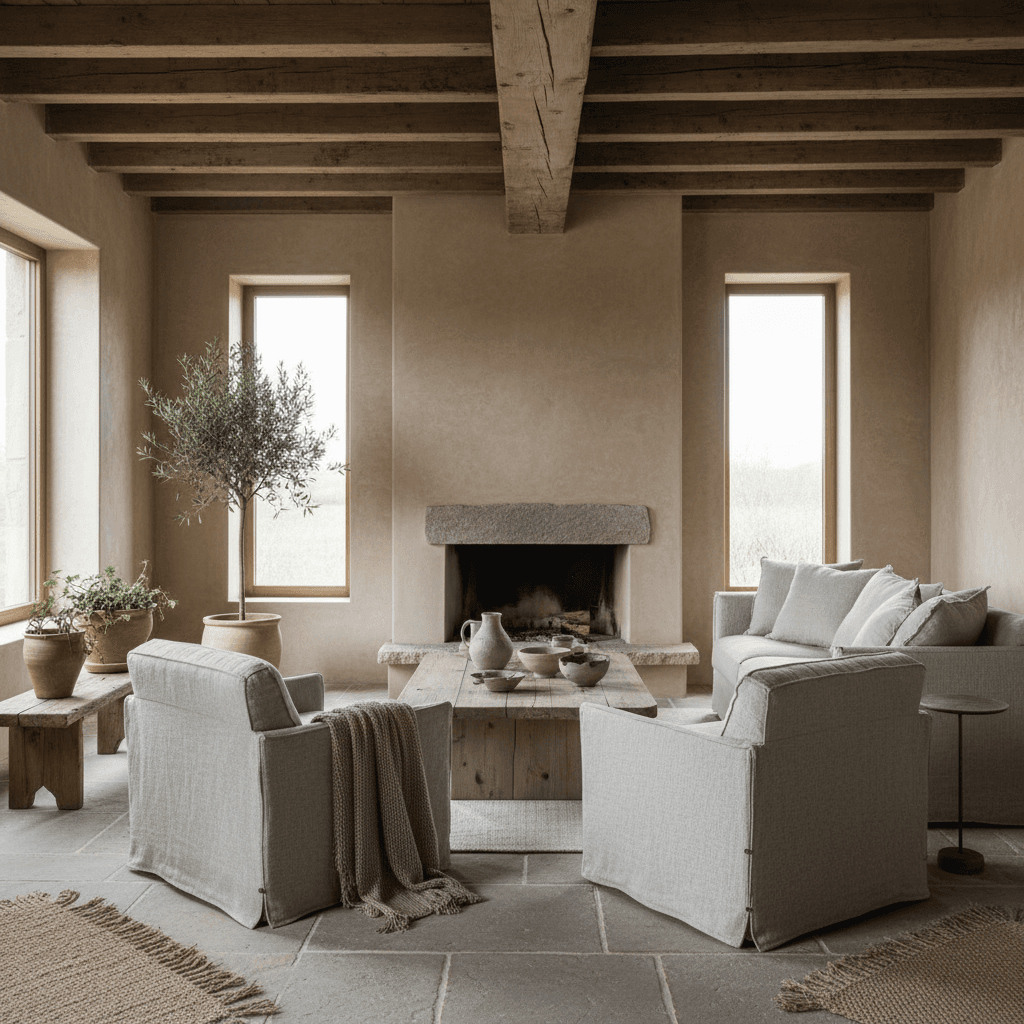
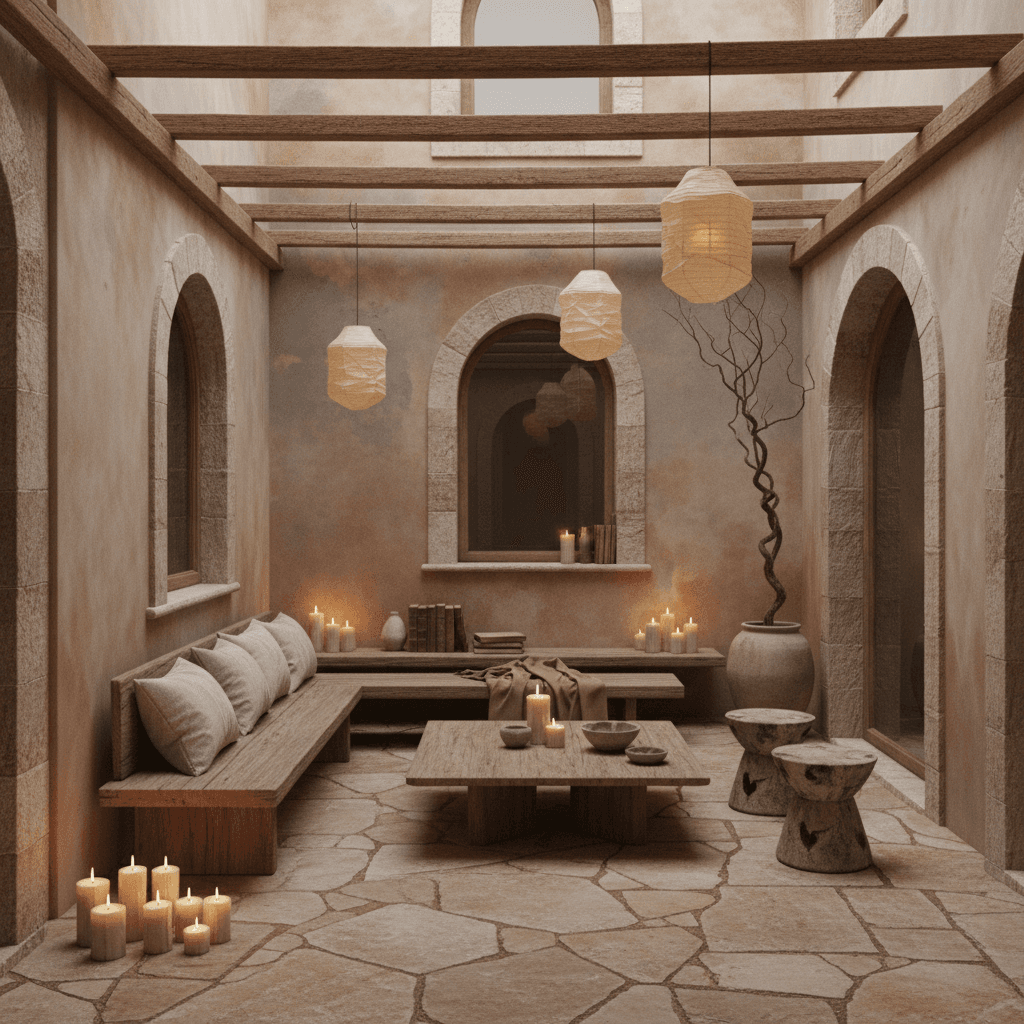
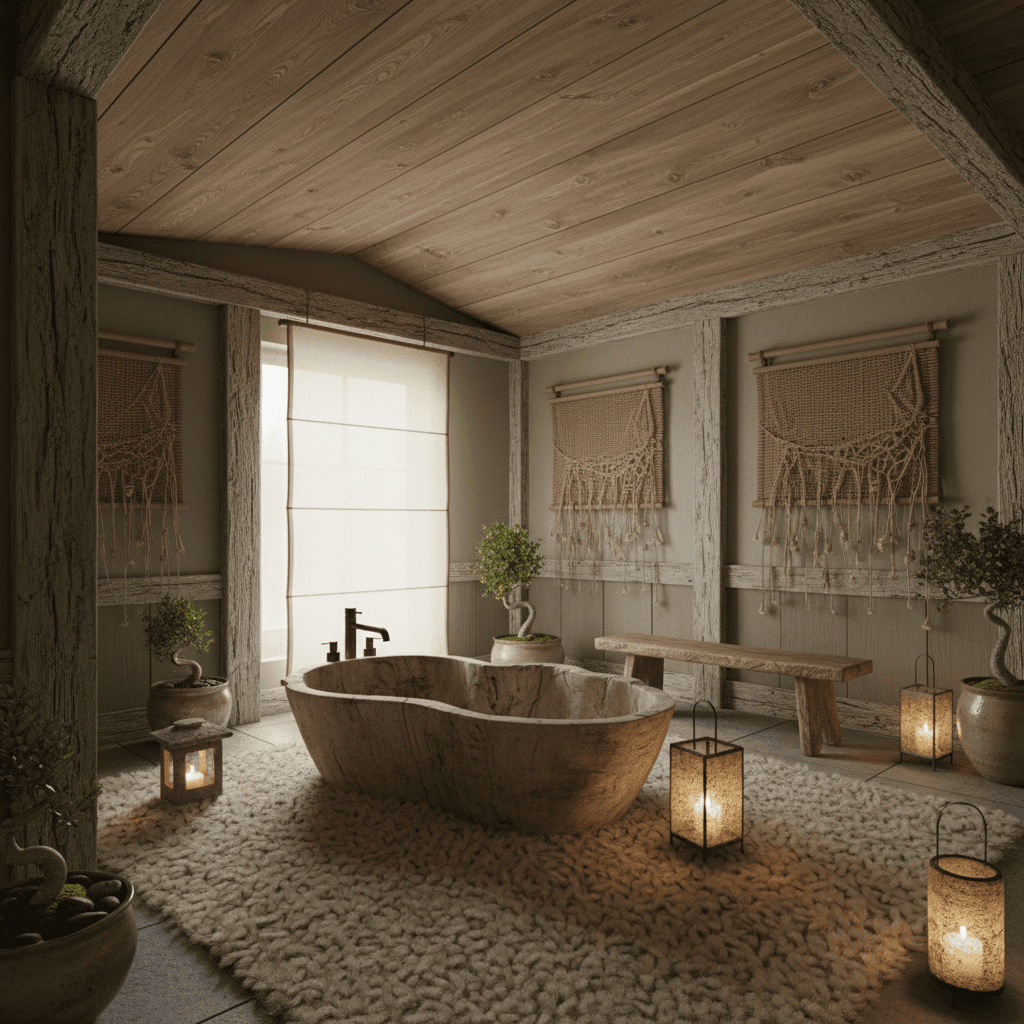
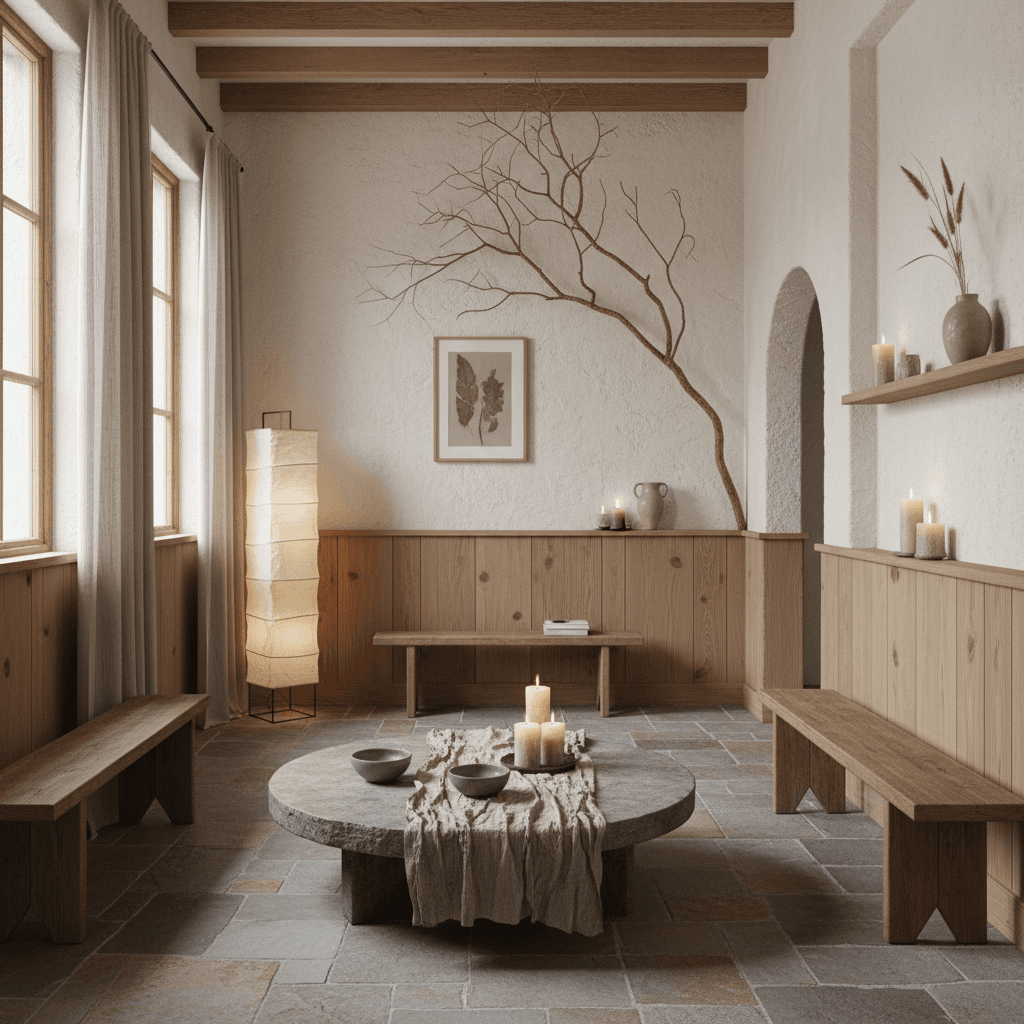
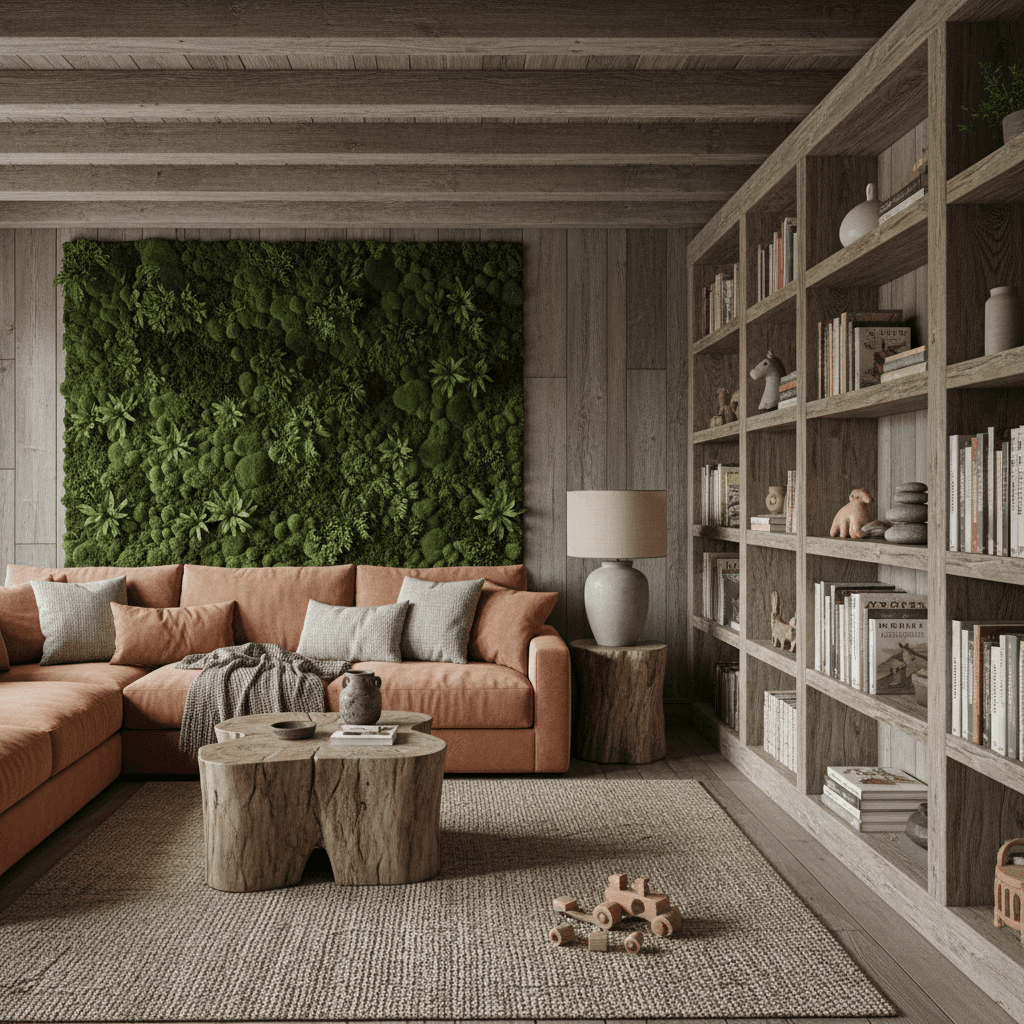
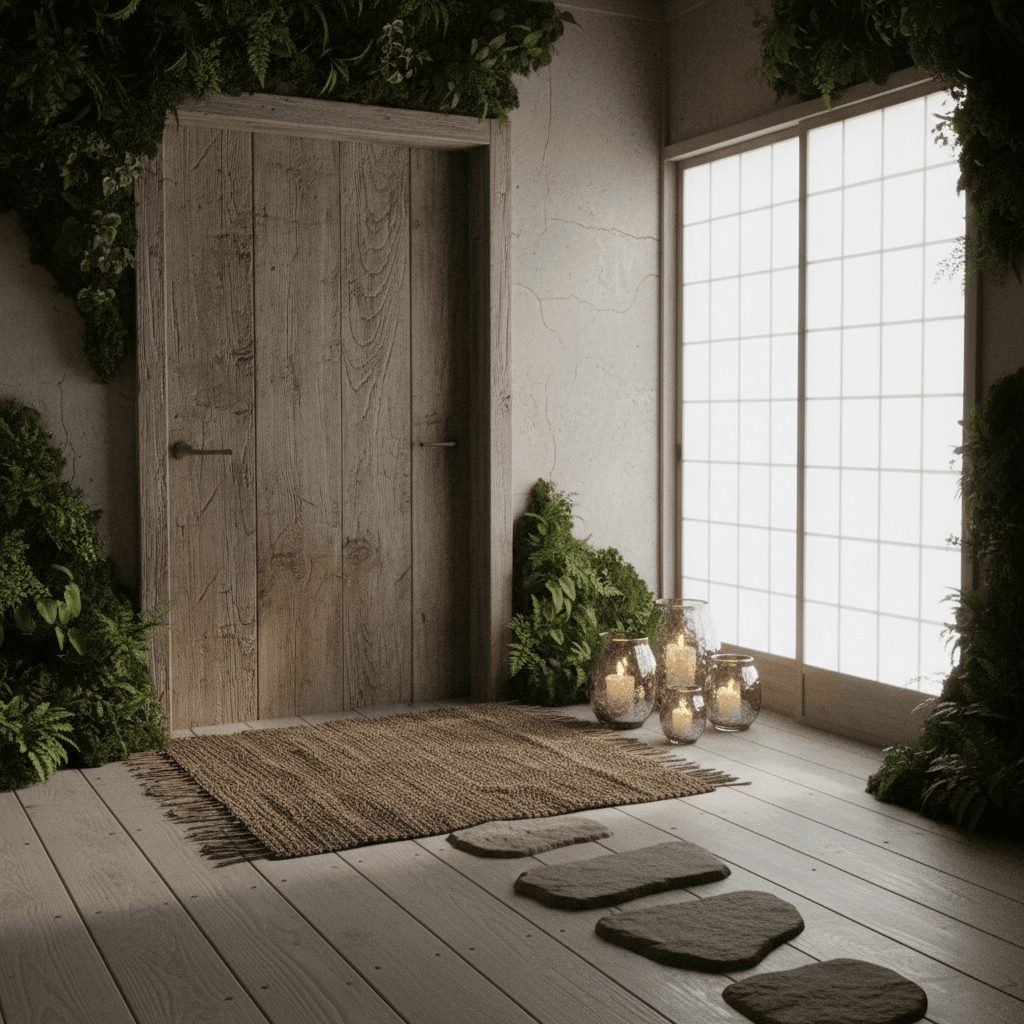
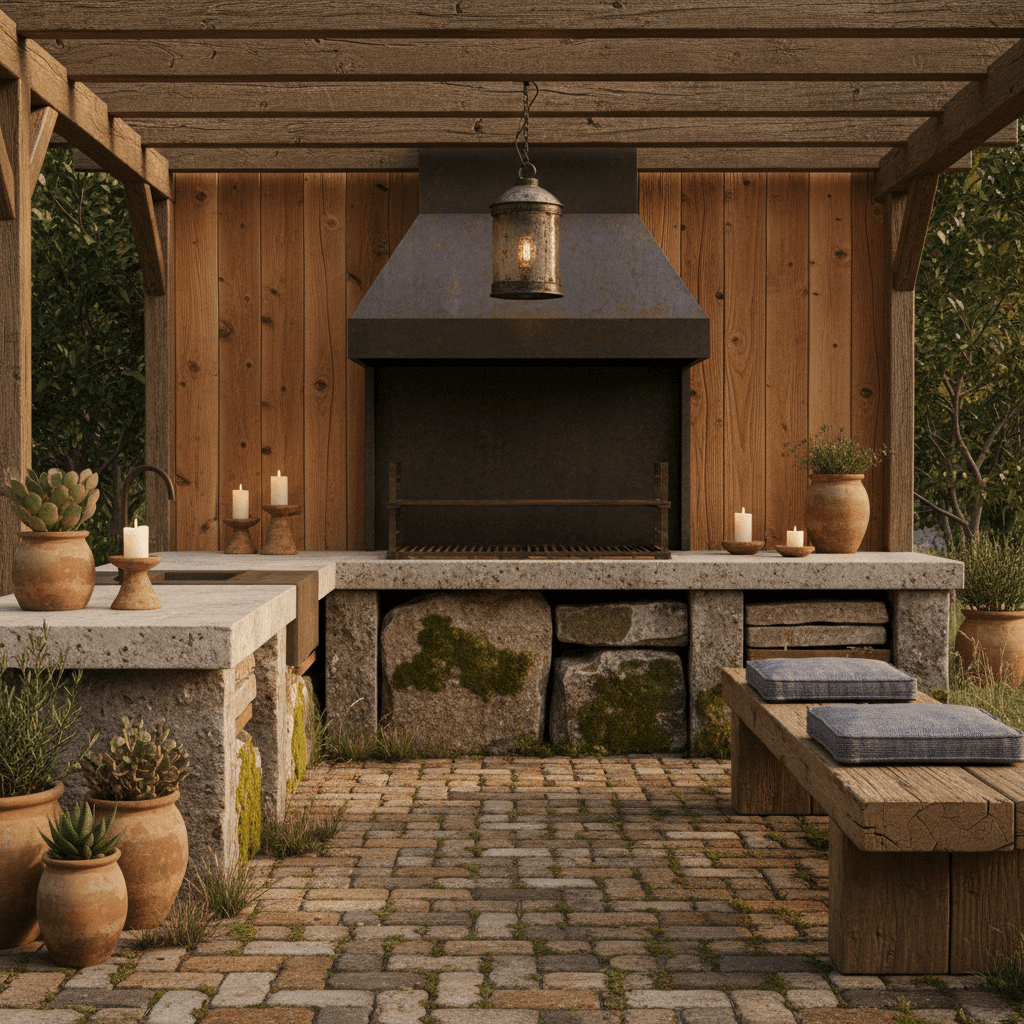
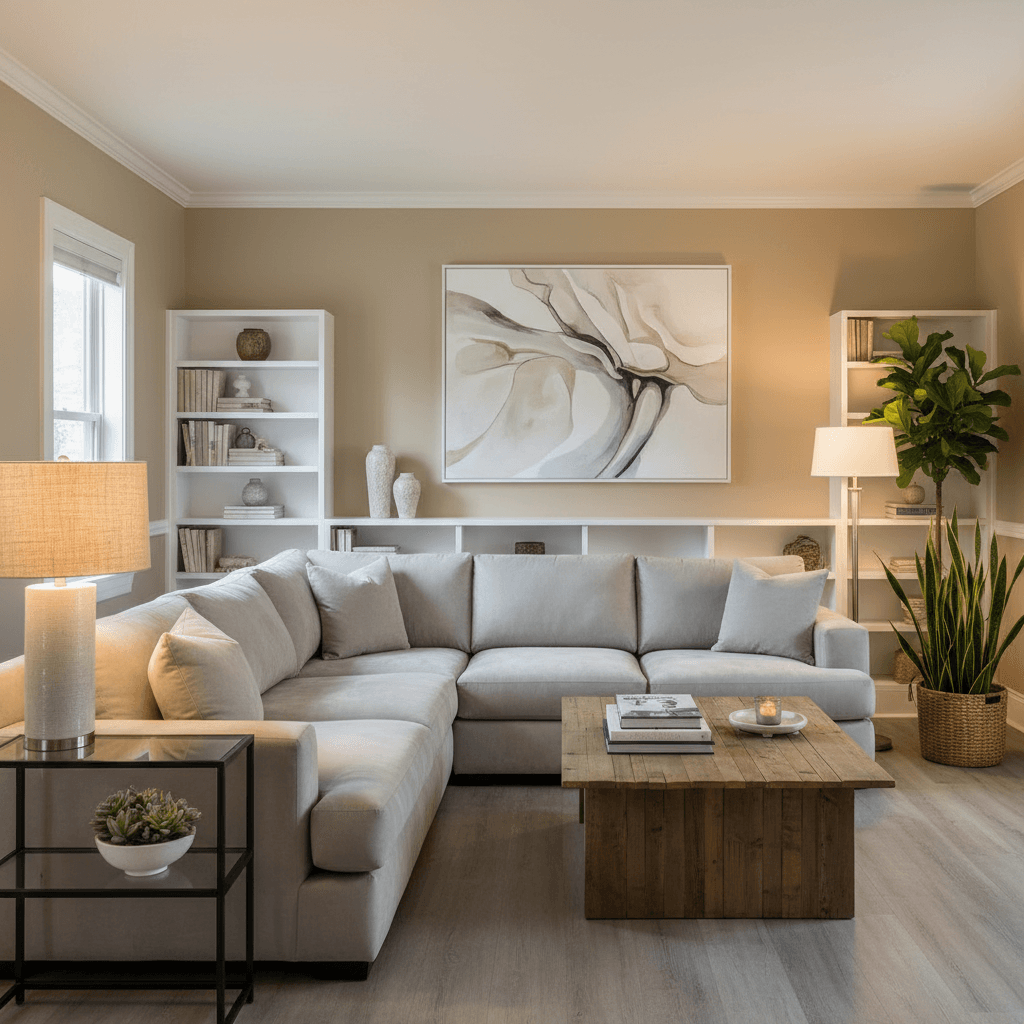
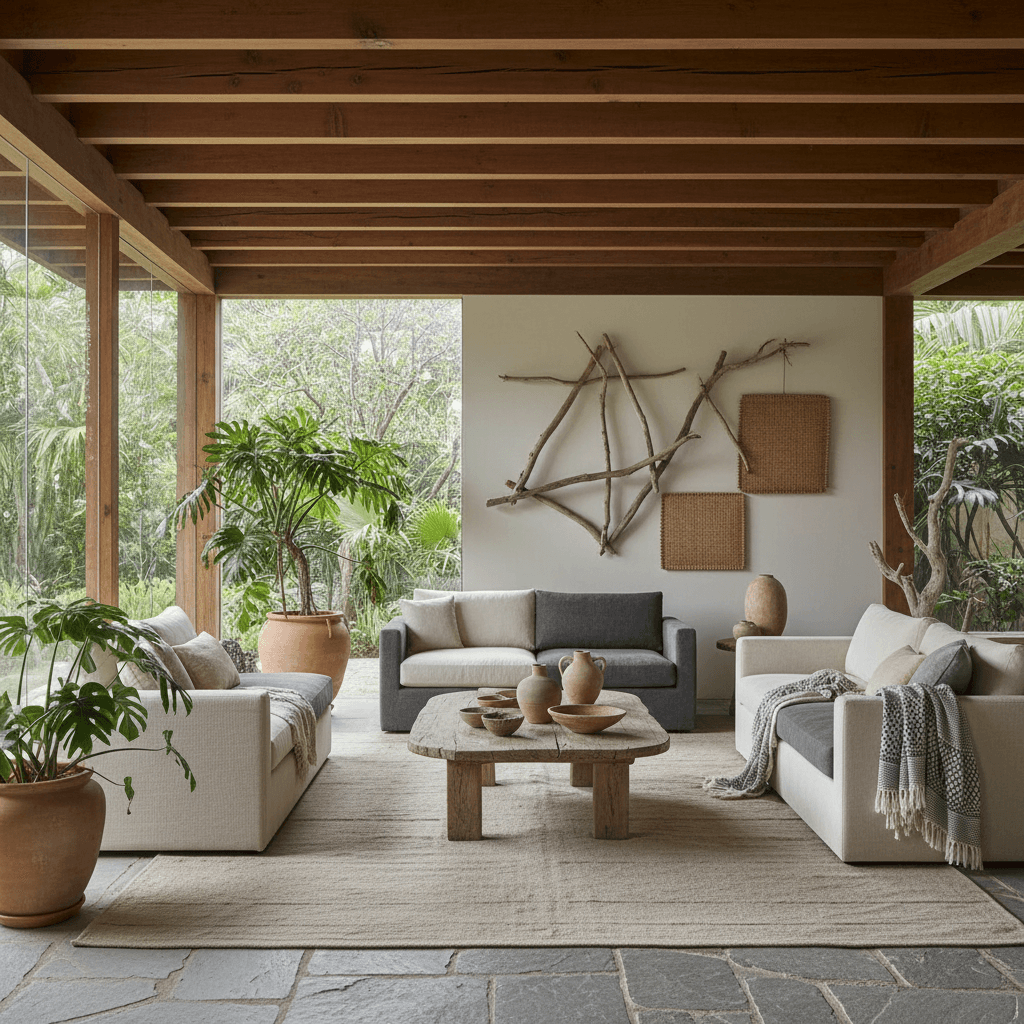
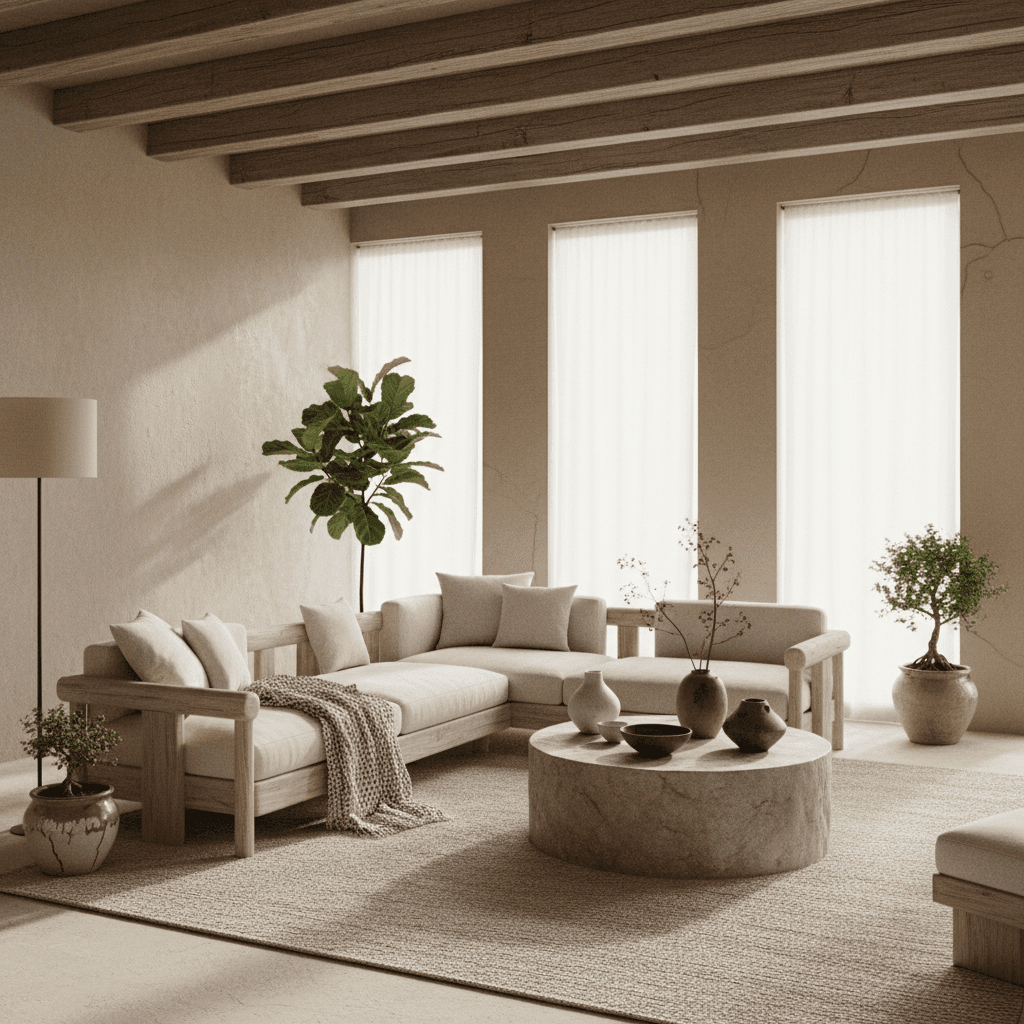
A serene living room in wabi sabi style, featuring natural materials like raw wood beams, handcrafted ceramics, and organic textures. Soft natural light streams through large windows, highlighting the beauty of imperfections. Minimalist furniture with worn edges, neutral earthy tones of beige, gray, and white, and carefully placed plants. The room embraces simplicity, asymmetry, and the acceptance of transience and imperfection. Cozy and tranquil atmosphere with natural textures like linen, stone, and aged wood.
THE ESSENCE OF TRANQUILITY: DESIGNING A SERENE WABI SABI LIVING ROOM
In a fast-paced world that often demands polished perfection, the Wabi Sabi aesthetic offers a grounding, organic alternative. This ancient Japanese philosophy centers on the beauty of imperfection, the appreciation of nature, and the acceptance of the inevitable cycle of growth and decay. A serene Wabi Sabi living room is not just a stylistic choice; it is a lifestyle statement that prioritizes soul over status. By blending organic textures with a minimalist mindset, you can transform a simple living area into a profound sanctuary of peace and mindfulness.
HONORING NATURE THROUGH RAW MATERIALS AND ORGANIC TEXTURES
The foundation of any authentic Wabi Sabi space is the use of materials in their most honest, unrefined form. Imagine a room anchored by massive raw wood beams that stretch across the ceiling, displaying every knot and grain as a badge of history. These structural elements provide a structural warmth that cannot be replicated by synthetic alternatives. In this environment, every object serves a purpose and tells a unique story. Handcrafted ceramics with irregular glazes and slightly uneven shapes rest on surfaces of aged wood, proving that true beauty lies in the human touch rather than machine-made precision. Natural textures play a crucial role in creating a tactile, sensory experience. Incorporating linen upholstery, stone accents, and weathered timber creates a layered environment that invites you to slow down. These materials do not hide their age; instead, they lean into it. A stone hearth might show signs of wear, or a linen throw might have a coarse, lived-in feel, both of which contribute to a cozy and tranquil atmosphere. This commitment to "kanso" (simplicity) ensures the room feels lived-in yet uncluttered.
HARNESSING SOFT NATURAL LIGHT AND EARTHY NEUTRALS
Light is the invisible brush that paints the mood of a Wabi Sabi home. Rather than relying on harsh artificial fixtures, this style celebrates soft natural light streaming through large, unobstructed windows. As the sun moves throughout the day, the changing shadows highlight the "beauty of imperfections"—the subtle texture of a plastered wall, the grain of a wooden floor, or the delicate silhouette of carefully placed plants. This dynamic interaction between light and shadow emphasizes the transience of the moment, a core pillar of the philosophy.
THE POWER OF A NEUTRAL AND MINIMALIST PALETTE
The color story of a Wabi Sabi retreat is intentionally understated, leaning heavily on neutral earthy tones like beige, gray, and white. This palette creates a cohesive backdrop that allows the architecture of the room to breathe. Minimalist furniture with worn edges and simple silhouettes allows the space to feel spacious yet grounded. Unlike traditional design which prioritizes symmetry, Wabi Sabi embraces "fukinsei" (asymmetry), mirroring the natural world where nothing is perfectly centered or matched.
INCORPORATING LIFE AND TRANSIENCE
The inclusion of greenery is the final touch in this serene retreat. A single, gracefully curved branch in a weathered vase or a few hardy indoor plants introduce life and a pop of muted color. These elements remind us of our connection to the earth and the constant, quiet movement of nature. Ultimately, a Wabi Sabi living room is a celebration of the here and now, providing a tranquil backdrop for a life lived with simplicity and grace. Wabi Sabi living room organic interior design natural textures minimalist home decor natural materials earthy tones